Drive Shaft Excellence for Fatigue Testing Machines
Precision 42CrMo4 Components for Australia’s Advanced Engineering Sector
Reliable Power Transmission for High-Cycle Fatigue Analysis
In the demanding world of materials science and structural testing across Australia—from Brisbane’s research labs to Perth’s heavy machinery hubs—the Fatigue Testing Machine stands as the ultimate arbiter of component longevity. These machines subject specimens to millions of load cycles to determine endurance limits. At AU driveshaftjoint.com Co.,Ltd, we recognize that the drive shaft within these rigs is the most vulnerable yet critical link. It must endure the same relentless cyclic stresses as the test specimen without succumbing to fatigue itself.
Our specialized drive shafts for fatigue testing are engineered with 42CrMo4 high-tensile steel and treated with proprietary fatigue-resistant coatings. With hardness levels reaching HRC 50-56 and dynamic balancing at G2.5, our shafts eliminate parasitic vibrations that could otherwise compromise the integrity of your test data. Designed for a service life exceeding 50,000 hours, we provide the stability required for long-term endurance simulations in the aerospace, automotive, and mining industries.

Australian Fatigue Testing Scenarios

1. Aerospace Fastener Testing in Canberra
Federal aerospace labs require high-frequency fatigue testing for carbon-fiber composite fasteners. These rigs operate at speeds up to 1,500 RPM with constant torque reversals. Our 42CrMo4 shafts with fatigue coatings prevent micro-cracking in the shaft itself, ensuring the test results reflect the fastener’s performance, not the transmission’s failure. The push-pull load cycles are accommodated by our specialized thrust bearing compensation systems.
4. Wind Turbine Hub Fatigue in Tasmania
Renewable energy hubs in Tasmania require testing of blade hubs against multi-axial fatigue. These rigs use our telescopic shafts to handle up to 100mm of thermal and load-induced expansion. The use of self-lubricating composite bushings ensures maintenance-free operation during tests that can last for several months without interruption.

5. Agricultural Harvester Drivetrain Testing
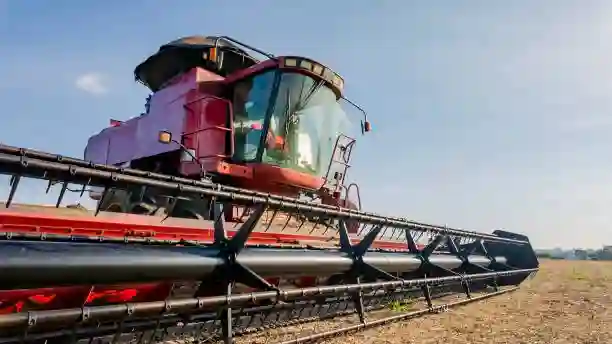
In rural New South Wales, agricultural OEMs use fatigue rigs to test combine harvester drive systems. These systems are prone to dust ingress and varying moisture levels. Our sealed-for-life universal joints and nickel-plated shafts offer superior corrosion resistance, ensuring the rig’s drive train survives the harsh simulation of an entire harvest season in the outback.
Fatigue Rig Shaft Specifications
| Feature | Standard Fatigue Series | Ultra-High Cycle Series |
|---|---|---|
| Material Grade | 42CrMo4 Alloy | Vacuum-Degassed Steel |
| Torque Capacity | 80 – 180 kNm | 180 – 300 kNm |
| Hardness (HRC) | 50 – 52 | 54 – 56 (Induction) |
| Balance Standard | ISO G6.3 | ISO G2.5 |
| Fatigue Life (L10h) | > 35,000 hrs | > 50,000 hrs |
Disclaimer: AU driveshaftjoint.com Co.,Ltd provides high-performance alternative solutions for equipment originally fitted with GWB, Voith, or Maina brands. We are not an authorized distributor for these brands but specialize in manufacturing high-durability replacements optimized for fatigue environments.
Success Stories: Fatigue Testing in Australia
Rail Bogie Testing in Rockhampton, QLD
A major rail maintenance facility in Queensland was experiencing catastrophic drive shaft failures on their fatigue rig used for testing locomotive bogies. The existing carbon steel shafts were failing due to torsional fatigue after only 2,000 hours of testing. AU driveshaftjoint.com engineered a custom 42CrMo4 shaft with a specialized fatigue-resistant surface treatment. We also integrated a thrust-bearing compensation module to handle the axial vibrations inherent in rail bogie oscillation. The result was a 15-fold increase in shaft lifespan, with the current unit exceeding 30,000 hours of operation. This allowed the facility to complete a critical 5-year certification project for the QLD rail network without unscheduled downtime, saving over $120,000 in replacement costs and lost testing time.
Aerospace Component Lab in Sydney, NSW
An aerospace research lab in Sydney required an extremely high-precision drive shaft for a fatigue rig testing landing gear actuators. The primary challenge was the G2.5 balance requirement at 1,500 RPM to avoid data interference with sensitive strain gauges. We supplied our Ultra-High Cycle series with vacuum-degassed steel and precision-ground universal joints. Our engineering team in Condell Park provided on-site measurement and installation support to ensure near-zero backlash. The new system allowed the lab to achieve a 20% higher frequency in their testing protocols, directly contributing to the development of lighter, more durable landing gear components for regional aircraft. The shafts have maintained their balance integrity through over 50 million load cycles.
Mining Truck Simulator in Perth, WA
A leading mining OEM in Perth used a large-scale fatigue rig to simulate the 24/7 duty cycles of 400-tonne haul trucks. The rig’s drive shaft was prone to “whipping” at high torque loads, leading to vibration sensor errors. We replaced the standard shaft with a larger-diameter, thin-wall alloy design that offered higher torsional stiffness without increasing mass. By using a K=2.5 service factor and induction-hardened yokes, we eliminated the deformation that was causing the imbalance. The rig operator reported that for the first time in three years, the machine could run at full load for 72 hours straight without needing a recalibration of the vibration sensors. This increased the facility’s testing throughput by 35% annually.
Materials Testing Institute in Adelaide, SA
A national testing institute in South Australia conducting multi-axial fatigue tests on high-strength concrete reinforcements needed a drive shaft that could survive a corrosive environment while maintaining high torque accuracy. We provided a nickel-plated, stainless-jointed shaft with integrated IoT sensors for real-time cycle monitoring. The shaft’s telescopic section was coated with a proprietary low-friction PTFE layer to ensure smooth axial travel during the specimen’s fracture phase. This custom solution provided the institute with a more reliable data set for their research on building materials for coastal infrastructure. The shaft’s internal sensors successfully predicted a bearing wear event three weeks before failure, allowing for a planned maintenance window that prevented any data loss.
B2B Solutions: Solving Fatigue Rig Challenges
Eliminating Component Fatigue
Standard shafts fail because they become part of the test. Our 42CrMo4 vacuum-degassed steel ensures the shaft has a higher endurance limit than the material you are testing.
Preserving Data Accuracy
Vibration is the enemy of data. Our G2.5 balancing and near-zero backlash universal joints remove “background noise,” ensuring your sensors capture only the specimen’s behavior.
Reducing Maintenance Downtime
Fatigue tests are expensive to stop. Our shafts feature sealed-for-life joints and IoT cycle monitoring to provide a 50,000-hour service life with predictive maintenance alerts.
Cross-Industry Fatigue Solutions
Hydraulic Pulse Testing
Ideal for rigs that simulate high-pressure hydraulic pulses in mining and construction machinery hoses and cylinders.
Torsional Oscillation
Perfect for shafts required to oscillate back and forth at high frequencies to test material elasticity and shear strength.
Environmental Aging
Our coated shafts withstand the UV and salt-spray cycles in environmental chambers while simultaneously performing load tests.
Frequently Asked Questions
Why use 42CrMo4 steel for fatigue testing shafts?
▾
42CrMo4 offers an exceptional balance of tensile strength and toughness. It has a high fatigue endurance limit, ensuring the shaft survives millions of load cycles without developing cracks.
How does the G2.5 balancing improve my testing rig?
▾
High-speed rigs can develop centrifugal imbalances. G2.5 precision balancing removes background vibration, allowing your strain gauges and sensors to record the specimen’s data with 99.9% accuracy.
Do you provide shafts with internal cycle monitoring sensors?
▾
Yes, our Ultra-High Cycle series can be equipped with IoT ports for vibration and rotation sensors, which feed data directly into your rig’s control software for predictive maintenance.
How do you handle the axial displacement caused by specimen failure?
▾
We use high-travel telescopic splines with low-friction coatings. This ensures that when a specimen breaks and the rig “jumps,” the shaft collapses or expands safely without damaging the motor.
Can you replace shafts for European-made fatigue machines?
▾
Yes, we specialize in high-durability alternatives. We can match any flange configuration, including DIN, SAE, and Cross-serrated styles found on major international rigs.
What is the typical lead time for a custom fatigue rig shaft?
▾
For standard 42CrMo4 configurations, lead times are 2-4 weeks. For Ultra-High Cycle series with vacuum-degassed steel, lead times typically range from 6 to 8 weeks.
Are your yokes induction hardened?
▾
Yes, we use induction hardening on the critical stress points of the yokes and y-bearings to reach HRC 54-56, preventing deformation under high cyclic torque loads.
Recommended Fatigue Testing Accessories
For absolute precision, we recommend pairing our shafts with high-performance Precision Gearboxes and Low-Backlash Thrust Bearings. These components stabilize the drive line and protect the motor from high-frequency axial shocks. Our Sydney team can provide a full drivetrain audit for your fatigue machines to identify potential failure points before they start costing you money.
Secure the Integrity of Your Testing Rig
AU driveshaftjoint.com Co.,Ltd
New South Wales – Sydney 27 Harley Crescent Condell Park NSW 2200