Product Description
Product Description
Product name: Auto Parts Steering Intermediate Shaft Extension Shaft Universal Joint For SAIC CHINAMFG Pickup T60 OEM C0057190
OEM Number: C0057190
Application: For SAIC CHINAMFG Pickup T60
| Car Fitment | Model | Year |
|---|---|---|
| MAXUS (SAIC MOTOR) | T60 Pickup | 2016- |
Package: Original genuine packing, Brand packing, Neutral packing with parts number label
MOQ:1 PC
Delivery time:1-7days
Place: HangZhou China
TIPS: The adaptation of parts is very complex, you need to provide chassis VIN number or car details {model, capacity, year of production (not buy) year} to customer service, and according to the customer service recommend to choose the appropriate type.
Detailed Photos
Packaging & Shipping
Shipping by Sea: containers goods,
Sample order by air: China Post, aliexpress standard shipping, E-pocket, EMS,UPS,TNT,DHL,Fedex, etc
Company Profile
Our Advantages
1. One-stop service to supply all jac motors spare parts (JAC motors j2 j3 j4 j5 j6, s2 /T40,s3/ T5 ,s5/ T6 ,JAC refine ,JAC sunray ,JAC pickup T6 T8,JAC Truck … )
SAIC MG, CHINAMFG Parts, CHINAMFG spare parts
Chery, Changan, BYD, CHINAMFG GWM, Brillance, Geely, Xihu (West Lake) Dis.feng spare parts
Mercedes Benz Parts,
Gates Auto Parts, Phc Parts
2. MOQ: 1PC
3. We will reply you for your inquiry in 24 hours.
4. after sending, we will track the products for you once every 2 days, until you get the products. When you got the goods, and give us a feedback.If you have any questions about the problem, contact with us, we will offer the solve way for you.
FAQ
Q1. What is your terms of packing?
A: Generally, we pack our goods in neutral boxes, original OE cartons or brands AQBP packages
Q2. how to do the order if your need parts have not in this shop?
A: if in this shop has no the parts you need, please tell us, and we will find it from our big warehouse, take photos and send price to you.
Q3. how much you should pay money if buy some items together?
A: after buying some items together, there will be different shipping fees and different goods price, so we can discuss how to do the best shipping way.
Q4. How about your delivery time?
A: Generally, it will take 30 to 60 days after receiving your advance payment. The specific delivery time depends on shipping way and different countries.
Q5. Can you produce according to the samples?
A: Yes, we can produce by your samples or technical drawings. We can build the molds and fixtures.
Q6: How do you make our business long-term and good relationship?
A:1. We keep good quality and competitive price to ensure our customers benefit;
2. We respect every customer as our friend and we sincerely do business and make friends with them, no matter where they come from.
/* March 10, 2571 17:59:20 */!function(){function s(e,r){var a,o={};try{e&&e.split(“,”).forEach(function(e,t){e&&(a=e.match(/(.*?):(.*)$/))&&1
| Material: | Metal |
|---|---|
| Certification: | ISO, RoHS |
| Standard: | Standard |
| Customization: | Available | Customized Request |
|---|
.shipping-cost-tm .tm-status-off{background: none;padding:0;color: #1470cc}
| Shipping Cost: Estimated freight per unit. | about shipping cost and estimated delivery time. |
|---|
| Payment Method: |
|
|---|---|
| Initial Payment Full Payment |
| Currency: | US$ |
|---|
| Return&refunds: | You can apply for a refund up to 30 days after receipt of the products. |
|---|
Can universal joints be used in conveyor systems?
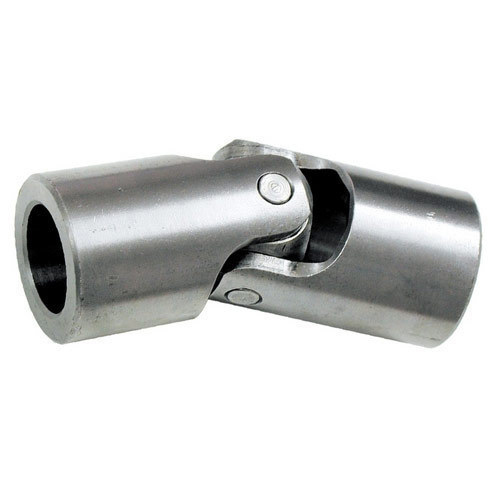
Yes, universal joints can be used in conveyor systems, and they offer several advantages in certain applications. Here’s a detailed explanation:
A conveyor system is a mechanical handling equipment used to transport materials from one location to another. It consists of various components, including belts, pulleys, rollers, and drives, that work together to facilitate the movement of items. Universal joints can be incorporated into conveyor systems to transmit rotational motion between different sections or components of the conveyor.
Here are some key points to consider regarding the use of universal joints in conveyor systems:
- Misalignment Compensation: Conveyor systems often require flexibility to accommodate misalignment between different sections or components due to factors such as uneven loading, structural variations, or changes in direction. Universal joints are capable of compensating for angular misalignment and can handle variations in the alignment of conveyor sections, allowing for smooth and efficient power transmission.
- Smooth Operation: Universal joints provide smooth rotation and can help minimize vibration and shock in conveyor systems. This is especially beneficial when conveying delicate or sensitive materials that require gentle handling. The design of universal joints with needle bearings or other low-friction components helps reduce frictional losses and ensures smooth operation, resulting in less wear and tear on the conveyor system.
- Compact Design: Universal joints have a compact and versatile design, making them suitable for conveyor systems where space is limited. They can be integrated into tight spaces and allow for flexibility in the layout and configuration of the system. This compactness also contributes to easier installation and maintenance of the conveyor system.
- Variable Operating Angles: Universal joints can operate at varying angles, allowing conveyor systems to navigate curves, bends, or changes in direction. This flexibility in operating angles enables the conveyor system to adapt to the specific layout and requirements of the application, enhancing its overall efficiency and functionality.
- Load Transmission: Universal joints are capable of transmitting both torque and radial loads, which is important in conveyor systems. They can handle the forces exerted by the materials being transported and distribute those forces evenly, preventing excessive stress on the system’s components. This feature helps ensure reliable and efficient material handling in the conveyor system.
- Application Considerations: While universal joints offer advantages in conveyor systems, it is essential to consider the specific application requirements and operating conditions. Factors such as the type of materials being conveyed, the speed and load capacity of the system, and environmental factors should be taken into account when selecting and designing the conveyor system with universal joints.
In summary, universal joints can be effectively used in conveyor systems to provide misalignment compensation, smooth operation, compact design, variable operating angles, and reliable load transmission. By incorporating universal joints into conveyor systems, it is possible to enhance flexibility, performance, and efficiency in material handling applications.
Are universal joints suitable for both high-torque and high-speed applications?
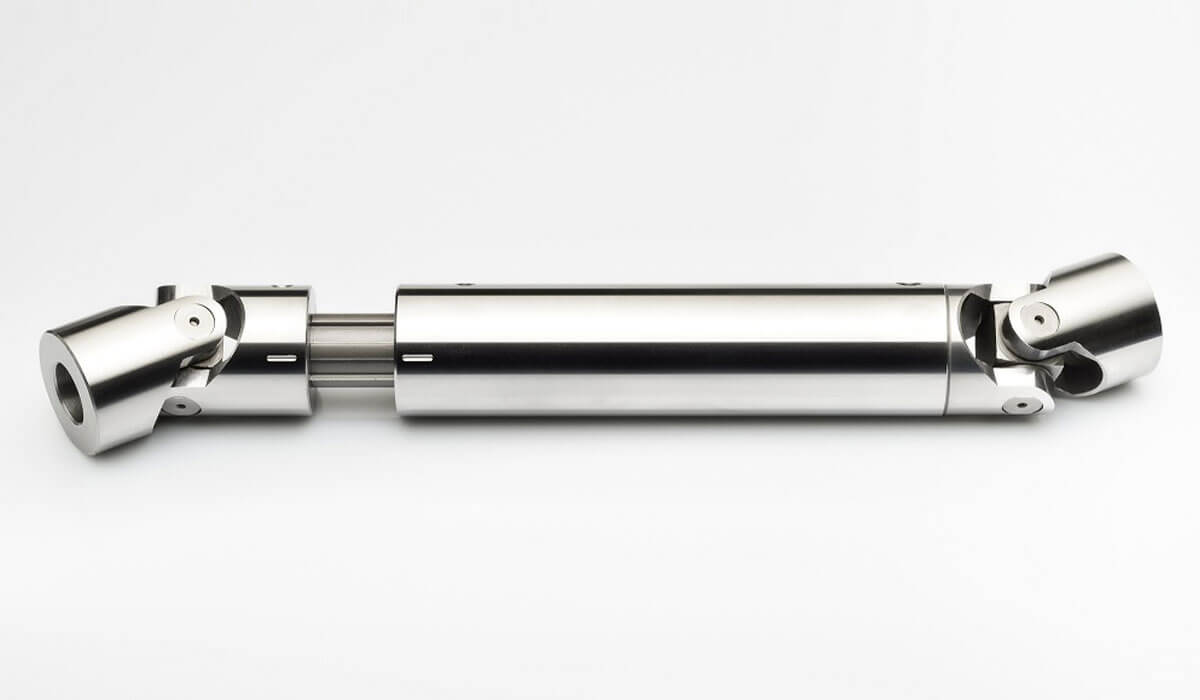
Universal joints have certain limitations when it comes to high-torque and high-speed applications. Here’s a detailed explanation:
Universal joints are commonly used to transmit torque between non-aligned or angularly displaced shafts. They offer advantages in terms of flexibility and compactness. However, their suitability for high-torque and high-speed applications depends on several factors:
- High-Torque Applications: Universal joints can handle high-torque applications to a certain extent. The torque capacity of a universal joint depends on factors such as the material strength, joint size, and design. In general, larger universal joints with stronger materials have higher torque ratings. However, when subjected to extremely high torques, universal joints may experience increased stress, accelerated wear, and potential failure. In such cases, alternative power transmission solutions like gearboxes or direct drives may be more suitable for handling high-torque applications.
- High-Speed Applications: Universal joints may not be the ideal choice for high-speed applications. At high rotational speeds, universal joints can experience several challenges. These include increased vibration, imbalance, and decreased precision. The design characteristics of universal joints, such as the presence of backlash and variations in joint geometry, can become more pronounced at high speeds, leading to reduced performance and potential failure. In high-speed applications, alternative solutions like flexible couplings or constant velocity (CV) joints are often preferred due to their ability to provide smoother operation, improved balance, and constant velocity output.
It’s important to note that the specific torque and speed limitations of a universal joint can vary depending on factors such as the joint’s size, design, quality, and the application’s requirements. Manufacturers provide torque and speed ratings for their universal joints, and it’s crucial to adhere to these specifications for reliable and safe operation.
In summary, while universal joints can handle moderate torque and speed levels, they may not be suitable for extremely high-torque or high-speed applications. Understanding the limitations of universal joints and considering alternative power transmission solutions when necessary can help ensure optimal performance and reliability in different operating conditions.
How do you install a universal joint?
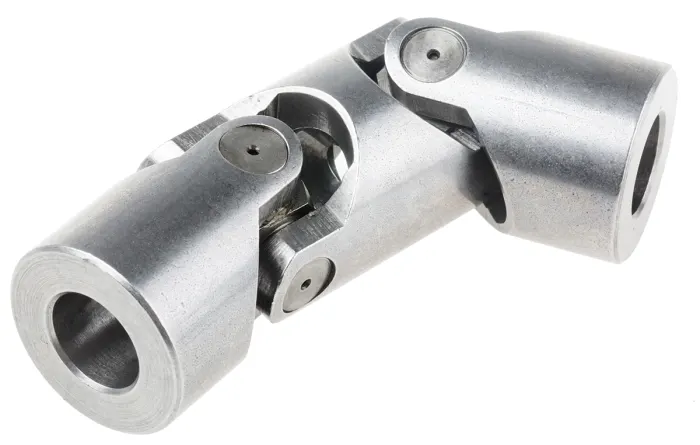
Installing a universal joint correctly is essential to ensure its proper functioning and longevity. Here are the general steps to guide you in the installation process:
- Prepare the universal joint: Before installation, inspect the universal joint for any damage or defects. Ensure that all the components, such as yokes, bearings, and cross, are in good condition. Clean the components if necessary and apply a suitable lubricant to ensure smooth operation.
- Align the shafts: Position the shafts that need to be connected by the universal joint. Align the shafts as closely as possible, ensuring that they are parallel and collinear. If precise alignment is challenging, universal joints can compensate for slight misalignments, but it is still preferable to have the shafts as aligned as possible.
- Insert the cross: Insert the cross-shaped center piece of the universal joint into one of the yokes. Ensure that the cross is aligned properly with the yoke and that the bearings are securely seated in the yoke bores.
- Attach the second yoke: Slide the second yoke onto the cross, aligning it with the opposite ends of the cross arms. Make sure the yoke is oriented in the correct phase with the first yoke, typically 90 degrees out of phase, allowing for angular displacement.
- Secure the yokes: Use the appropriate fastening method to secure the yokes to the shafts. This can include methods such as set screws, clamps, or retaining rings. Follow the manufacturer’s guidelines and torque specifications for the specific type of universal joint being installed.
- Check for smooth operation: After securing the yokes, rotate the connected shafts by hand to check for smooth operation and proper articulation. Ensure that the universal joint moves freely without binding or excessive play. If any issues are detected, double-check the alignment, lubrication, and fastening of the universal joint.
- Test under load: If applicable, test the universal joint under the expected load conditions of your application. Monitor its performance and check for any abnormal vibrations, noises, or excessive heat. If any issues arise, re-evaluate the installation and make necessary adjustments or consult with an expert.
- Maintenance and lubrication: Regularly inspect and maintain the universal joint as part of your overall system maintenance. Ensure that the joint remains properly lubricated according to the manufacturer’s recommendations. Lubrication helps reduce friction, wear, and heat generation, extending the life of the universal joint.
It’s important to note that the installation process may vary depending on the specific type and design of the universal joint, as well as the application requirements. Always refer to the manufacturer’s instructions and guidelines for the particular universal joint you are installing, as they may provide specific procedures and considerations.


editor by CX 2024-01-03