Product Description
Specification OF Universal Joint —Speedway:
Product Description
Drive Shaft Description:
| Item | 3/4-30 Spline X 3/4″ DD Universal Steering U-Joint Black Single Shaft |
| OEM | Yoke and Universal Joint Assembly for Tractors |
| Material | 20Cr or 20CrMnTi |
| Use | After market |
| MOQ | 50 cps |
We provide propeller shaft OEM service and we can also produce propeller shaft according to your samples and drawings.
Package and Delivery:
Neutral Packing Or Customerized Packing.
We accept customerized brand packing if the quantity is good.
Neutral Packing means each propeller shaft is packed with foam polybags, then it will be put into box, and all propeller shafts are packed in cartons finally.
All of the products are well packed.
Delivery time is 35-45 days as normal.
Packing show
Company Profile
Certifications
FAQ
/* March 10, 2571 17:59:20 */!function(){function s(e,r){var a,o={};try{e&&e.split(“,”).forEach(function(e,t){e&&(a=e.match(/(.*?):(.*)$/))&&1
| After-sales Service: | 1 Year |
|---|---|
| Warranty: | 1 Year |
| Condition: | New |
| Samples: | US$ 100/Piece 1 Piece(Min.Order) | Order Sample |
|---|
.shipping-cost-tm .tm-status-off{background: none;padding:0;color: #1470cc}
| Shipping Cost: Estimated freight per unit. | about shipping cost and estimated delivery time. |
|---|
| Payment Method: |
|
|---|---|
| Initial Payment Full Payment |
| Currency: | US$ |
|---|
| Return&refunds: | You can apply for a refund up to 30 days after receipt of the products. |
|---|
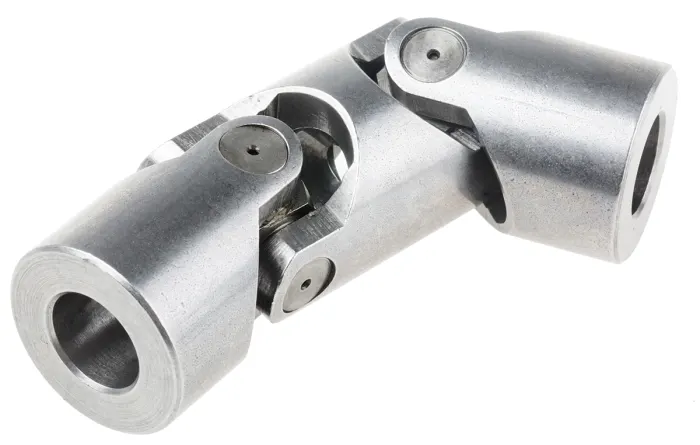
Can universal joints be used in marine and offshore applications?
Yes, universal joints can be used in marine and offshore applications. Here’s a detailed explanation:
Marine and offshore environments present unique challenges in terms of harsh operating conditions, exposure to saltwater, vibrations, and high torque requirements. Universal joints offer several advantages that make them suitable for use in these demanding applications.
1. Misalignment Compensation: Marine and offshore systems often require the transmission of rotary motion between misaligned shafts due to the dynamic nature of the environment. Universal joints excel at compensating for angular misalignment, allowing for smooth power transmission even when the shafts are not perfectly aligned.
2. Torque Transmission: Universal joints are capable of handling high torque loads, which is crucial in marine and offshore applications. They can efficiently transfer power between the main engine or motor and various equipment, such as propellers, winches, pumps, or generators.
3. Compact Design: Space is often limited in marine and offshore systems, and universal joints offer a compact design compared to alternative methods of transmitting motion between misaligned shafts, such as gearboxes or flexible couplings. This compactness allows for more efficient use of available space.
4. Corrosion Resistance: Marine and offshore environments are highly corrosive due to the presence of saltwater and other corrosive agents. Universal joints can be designed and manufactured using materials that exhibit excellent corrosion resistance, such as stainless steel or non-corroding alloys, to ensure long-term performance and reliability in these environments.
5. Sealing and Lubrication: Proper sealing and lubrication are critical in marine and offshore applications to protect the universal joint’s internal components from water ingress and corrosion. Specialized sealing mechanisms, such as lip seals or labyrinth seals, can be implemented to prevent water intrusion, while effective lubrication systems ensure smooth operation and reduce wear.
6. Shock and Vibration Resistance: Marine and offshore equipment are subjected to significant shock and vibration loads due to wave motion, vessel movement, or equipment operation. Universal joints are designed to withstand these dynamic forces and provide reliable power transmission in such conditions. The use of high-quality bearings, robust construction, and proper balancing contribute to their resilience against shock and vibration.
7. Customization: Universal joints can be customized to suit specific marine and offshore applications. Manufacturers can tailor the design and materials to meet unique requirements, such as high-speed operation, extreme temperature variations, or specific size constraints. Customization ensures that the universal joints are optimized for their intended use, maximizing their performance and reliability.
When utilizing universal joints in marine and offshore applications, it is crucial to consider factors such as load requirements, environmental conditions, maintenance procedures, and compliance with relevant industry standards and regulations. Regular inspection, maintenance, and proper lubrication are necessary to ensure the longevity and reliable operation of universal joints in these challenging environments.
In summary, universal joints can be effectively used in marine and offshore applications due to their ability to compensate for misalignment, handle high torque loads, compact design, corrosion resistance, sealing and lubrication capabilities, shock and vibration resistance, and customization options. The selection and design of universal joints should consider the specific requirements and challenges associated with marine and offshore environments to ensure optimal performance and reliability.
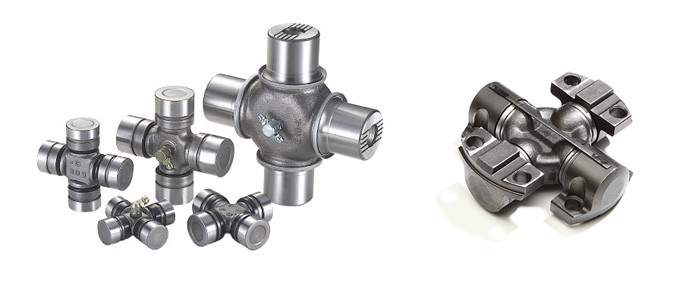
How do you prevent backlash and vibration issues in a universal joint?
Preventing backlash and vibration issues in a universal joint involves various considerations and measures. Here are some approaches to minimize backlash and mitigate vibration problems:
- Precision manufacturing: High-quality, precision-manufactured universal joints can help reduce backlash and vibration. Accurate machining and assembly processes ensure tight tolerances and minimize clearances between components, resulting in improved performance and reduced backlash.
- Proper lubrication: Adequate lubrication is essential to minimize friction and wear, which can contribute to backlash and vibration. Using the recommended lubricant and following the manufacturer’s guidelines for lubrication intervals help ensure smooth operation and reduce backlash in the joint.
- Alignment: Proper alignment between the input and output shafts is crucial for minimizing backlash and vibration. Aligning the shafts within the manufacturer’s specified tolerances ensures that the joint operates within its designed parameters, reducing stress and potential backlash issues.
- Balance: Balancing the rotating components, such as yokes and crosses, helps minimize vibration. Imbalances can cause uneven forces and induce vibrations in the joint and the connected system. Balancing techniques, such as adding counterweights or using precision balancing equipment, ensure smoother operation and minimize vibration-related problems.
- Vibration damping: Applying vibration damping techniques can help mitigate vibration issues. This may involve using vibration-absorbing materials, such as rubber or elastomeric elements, at appropriate locations to absorb and dissipate vibrations. Dampening vibrations can reduce the transmission of unwanted motion and minimize the potential for backlash.
- Regular maintenance: Routine inspection and maintenance of the universal joint are essential to prevent backlash and vibration problems. This includes checking for wear, proper lubrication, and addressing any signs of misalignment or damage. Timely maintenance helps identify and rectify potential issues before they escalate and affect the performance and reliability of the joint.
- Appropriate joint selection: Choosing the right type of universal joint for the specific application is crucial. Different joint designs, such as single joint, double joint, constant velocity (CV) joint, or Cardan joint, have varying characteristics and capabilities. Assessing the requirements of the system and selecting a joint that suits the application can help minimize backlash and vibration issues.
Implementing these measures and considering the specific operating conditions and requirements of the system can help prevent or minimize backlash and vibration issues in a universal joint. It is important to consult the manufacturer’s guidelines and recommendations for proper installation, operation, and maintenance of the universal joint to ensure optimal performance and longevity.
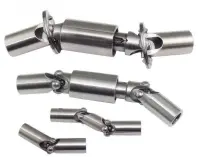
What lubrication is required for a universal joint?
Proper lubrication is crucial for the smooth and efficient operation of a universal joint. The type and amount of lubrication required may vary depending on the specific design and manufacturer’s recommendations. Here are some general guidelines:
- High-quality lubricant: It is important to use a high-quality lubricant that is specifically recommended for universal joints. Consult the manufacturer’s guidelines or technical documentation to determine the appropriate lubricant type and viscosity for your universal joint.
- Grease or oil: Universal joints can be lubricated with either grease or oil, depending on the design and application requirements. Grease is commonly used as it provides good lubrication and helps to seal out contaminants. Oil can be used in applications that require constant lubrication or when specified by the manufacturer.
- Quantity of lubrication: Apply the recommended quantity of lubricant as specified by the manufacturer. Over-greasing or under-greasing can lead to problems such as excessive heat, increased friction, or inadequate lubrication. Follow the manufacturer’s guidelines to ensure the optimal amount of lubricant is applied.
- Lubrication points: Identify the lubrication points on the universal joint. These are typically located at the cross bearings or bearing cups where the cross interfaces with the yoke. Apply the lubricant directly to these points to ensure proper lubrication of the moving components.
- Lubrication intervals: Establish a lubrication schedule based on the operating conditions and manufacturer’s recommendations. Regularly inspect and lubricate the universal joint according to the specified intervals. Factors such as operating speed, load, temperature, and environmental conditions may influence the frequency of lubrication.
- Re-lubrication: In some cases, universal joints may have provisions for re-lubrication. This involves purging old lubricant and replenishing it with fresh lubricant. Follow the manufacturer’s instructions for the re-lubrication procedure, including the recommended interval and method.
- Environmental considerations: Consider the operating environment when selecting the lubricant. Factors such as temperature extremes, exposure to moisture or chemicals, and the presence of contaminants can affect the choice and performance of the lubricant. Choose a lubricant that is suitable for the specific environmental conditions of your application.
- Maintenance and inspection: Regularly inspect the universal joint for signs of inadequate lubrication, excessive wear, or contamination. Monitor the temperature of the joint during operation, as excessive heat can indicate insufficient lubrication. Address any lubrication issues promptly to ensure the proper functioning and longevity of the universal joint.
Always refer to the manufacturer’s recommendations and guidelines for lubrication specific to your universal joint model. Following the proper lubrication practices will help optimize the performance, reduce wear, and extend the lifespan of the universal joint.


editor by CX 2024-02-13