Product Description
Company Profile
SiYi Bearing Manufacturer Co., Ltd. , the factory is located in the bearing town of LinQing city in ZheJiang Province,China. With over 20-years history, our company is specialized in develop deep groove ball bearings, cylindrical roller bearings, tapered roller bearings, spherical roller bearings, spherical plain bearings, needle roller bearing, angular contact ball bearing, thrust roller bearing, thrust ball bearing, clutch release bearings, pillow block bearings, wheel hub bearing, universal joint and so on. In local market, our products are popular,for same products, we have different quality and price for choose. Not only international standard size bearings can be supplied, with the drawing or bearing sample, it could be customized as customer’s requirement with reasonable quantity. And we also like to be your OEM bearing manufacturer in China, let’s make a long-term partner relationship as your own factory!
We are one of the most influential bearing suppliers and professional sales.
A wide range of applications:
•Auto bearing
•Deep Groove Ball Bearings
•Cylindrical Roller Bearings,
•Tapered Roller Bearings,
•Thrust Ball Bearings
•Self-aligning Ball Bearings
•Angular Contact Ball Bearings
•Spherical Roller Bearings,
•Needle Bearings
•linear Bearings,
•Pillow Block Bearings
• the Ceramic Bearings,
•Joint Bearings,
•Slewing Bearings,
•Cam Followers Bearings and Electronic Bearings
About the market of our products, except for our domestic market, our products meet to countries all over the world, such as Asia, Africa, South America, Europe, Middle east and etc. Because of the high quality level and good services, are accepted by all clients
products of the same type
| Universal Joint | |
| 27X92 | |
| 29X76 | |
| 57X143 | |
| 52X133 | |
| 62X160 | |
| 60X152 | |
| NJ131 | |
| 2201C-035 | |
| 2201E-030 | |
| 2201PB-035 | |
| 2201D5-030 | |
| KC1819YCC | |
| MS525 62X149 |
Qualification certificate
Payment & Delivery & Market
Corporate Style
FAQ
TRADE CAPABILITIES
1. who are we?
We are based in ZheJiang , China, start from 2018,sell to Mid East(40.00%),South America(15.00%),Southeast Asia(10.00%),Africa(10.00%),Domestic Market(6.00%),North America(5.00%),South Asia(5.00%),Eastern Europe(3.00%),Western Europe(2.00%),Central America(2.00%),Northern Europe(2.00%). There are total about 101-200 people in our office.
2. how can we guarantee quality?
Always a pre-production sample before mass production;
Always final Inspection before shipment;
3.what can you buy from us?
clutch release bearing,cylindrical bearing,tapered roller bearing,needle roller bearing,deep groove ball bearing
4. why should you buy from us not from other suppliers?
The factory loctaed in Bearing town LinQing.We have over 20 years OEM experience and our own Brand. Our products are virous, and quality can fit to China fomous truck like Xihu (West Lake) Dis.feng, CHINAMFG .
5. what services can we provide?
Accepted Delivery Terms: FOB,Express Delivery;
Accepted Payment Currency:USD,CNY;
Accepted Payment Type: T/T,Credit Card,PayPal,Western Union,Cash;
Language Spoken:English,Chinese
If you want to know more details, please contact us.
/* March 10, 2571 17:59:20 */!function(){function s(e,r){var a,o={};try{e&&e.split(“,”).forEach(function(e,t){e&&(a=e.match(/(.*?):(.*)$/))&&1
| After-sales Service: | Excellent and Respectful |
|---|---|
| Warranty: | One Year |
| Condition: | New |
| Samples: | US$ 4/Piece 1 Piece(Min.Order) | Order Sample |
|---|
| Customization: | Available | Customized Request |
|---|
.shipping-cost-tm .tm-status-off{background: none;padding:0;color: #1470cc}
| Shipping Cost: Estimated freight per unit. | about shipping cost and estimated delivery time. |
|---|
| Payment Method: |
|
|---|---|
| Initial Payment Full Payment |
| Currency: | US$ |
|---|
| Return&refunds: | You can apply for a refund up to 30 days after receipt of the products. |
|---|
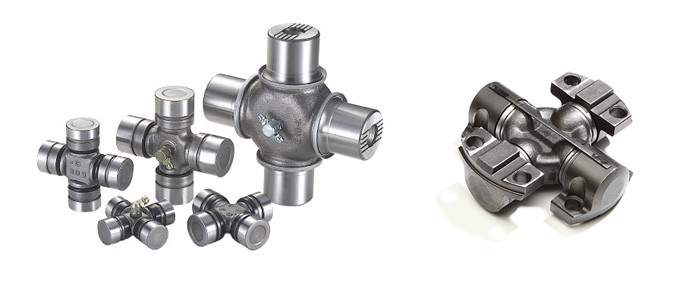
How do you retrofit an existing mechanical system with a universal joint?
Retrofitting an existing mechanical system with a universal joint involves modifying or adding components to integrate the universal joint into the system. Here’s a detailed explanation of the retrofitting process:
To retrofit an existing mechanical system with a universal joint, follow these steps:
- Evaluate the System: Begin by thoroughly assessing the existing mechanical system. Understand its design, components, and the type of motion it requires. Identify the specific area where the universal joint needs to be incorporated and determine the necessary modifications or additions.
- Design Considerations: Take into account the operating conditions, load requirements, and available space in the system. Consider the size, type, and specifications of the universal joint that will best suit the retrofit. This includes selecting the appropriate joint size, torque capacity, operating angles, and any additional features required for compatibility with the system.
- Measurements and Alignment: Accurately measure the dimensions and alignment of the existing system, particularly the shafts involved in the retrofit. Ensure that the required modifications or additions align properly with the system’s existing components. Precise measurements are crucial for a successful retrofit.
- Modify Existing Components: In some cases, it may be necessary to modify certain components of the existing system to accommodate the universal joint. This could involve machining or welding to create attachment points or adjust the dimensions of the system’s components to ensure proper fitment of the universal joint and its associated parts.
- Integrate the Universal Joint: Install the universal joint into the retrofit area according to the system’s requirements and design considerations. This involves securely attaching the universal joint to the modified or existing components using appropriate fasteners or connection methods as specified by the manufacturer. Ensure that the joint is properly aligned with the shafts to facilitate smooth and efficient motion transfer.
- Supporting Components: Depending on the specific retrofit requirements, additional supporting components may be needed. This can include yokes, bearings, shaft couplings, or guards to ensure proper functioning and protection of the universal joint assembly and the overall system.
- Testing and Adjustment: Once the retrofit is complete, thoroughly test the system to ensure that the universal joint operates smoothly and meets the desired performance requirements. Make any necessary adjustments to align the system and optimize its functionality. It is essential to verify that the retrofit does not introduce any adverse effects or compromise the overall operation of the mechanical system.
Retrofitting an existing mechanical system with a universal joint requires careful planning, precise measurements, and proper integration of the joint into the system. By following these steps and considering the design considerations and compatibility, it is possible to successfully incorporate a universal joint into an existing mechanical system and enhance its functionality and performance.
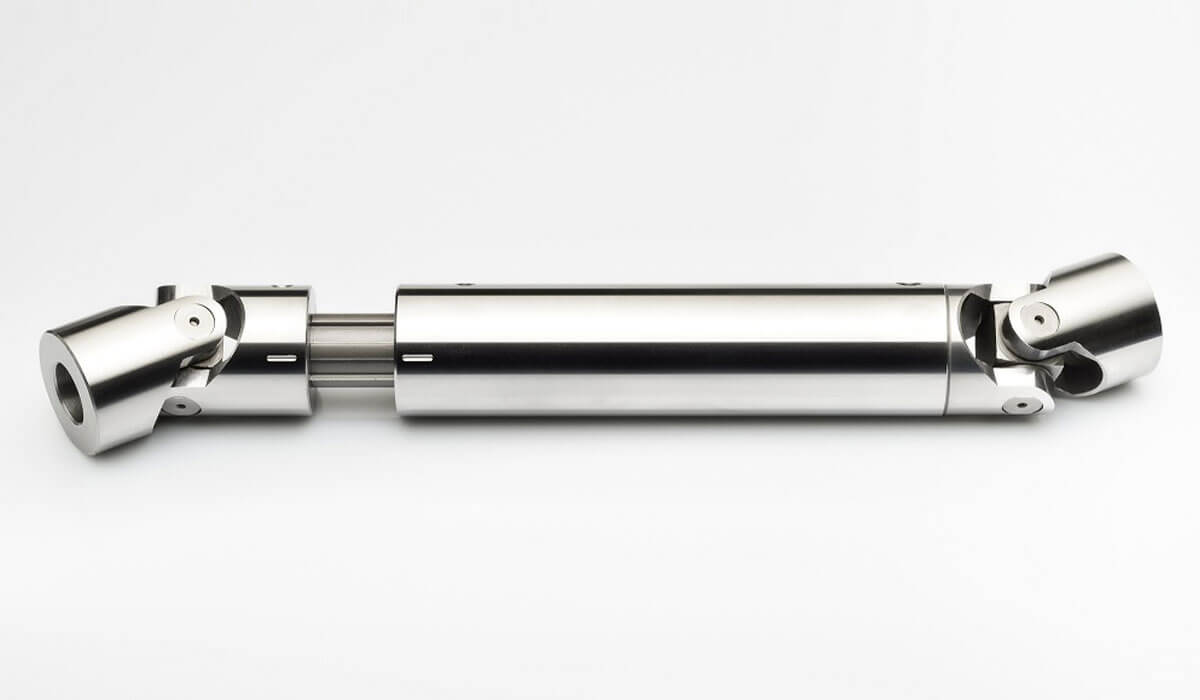
Are universal joints suitable for both high-torque and high-speed applications?
Universal joints have certain limitations when it comes to high-torque and high-speed applications. Here’s a detailed explanation:
Universal joints are commonly used to transmit torque between non-aligned or angularly displaced shafts. They offer advantages in terms of flexibility and compactness. However, their suitability for high-torque and high-speed applications depends on several factors:
- High-Torque Applications: Universal joints can handle high-torque applications to a certain extent. The torque capacity of a universal joint depends on factors such as the material strength, joint size, and design. In general, larger universal joints with stronger materials have higher torque ratings. However, when subjected to extremely high torques, universal joints may experience increased stress, accelerated wear, and potential failure. In such cases, alternative power transmission solutions like gearboxes or direct drives may be more suitable for handling high-torque applications.
- High-Speed Applications: Universal joints may not be the ideal choice for high-speed applications. At high rotational speeds, universal joints can experience several challenges. These include increased vibration, imbalance, and decreased precision. The design characteristics of universal joints, such as the presence of backlash and variations in joint geometry, can become more pronounced at high speeds, leading to reduced performance and potential failure. In high-speed applications, alternative solutions like flexible couplings or constant velocity (CV) joints are often preferred due to their ability to provide smoother operation, improved balance, and constant velocity output.
It’s important to note that the specific torque and speed limitations of a universal joint can vary depending on factors such as the joint’s size, design, quality, and the application’s requirements. Manufacturers provide torque and speed ratings for their universal joints, and it’s crucial to adhere to these specifications for reliable and safe operation.
In summary, while universal joints can handle moderate torque and speed levels, they may not be suitable for extremely high-torque or high-speed applications. Understanding the limitations of universal joints and considering alternative power transmission solutions when necessary can help ensure optimal performance and reliability in different operating conditions.
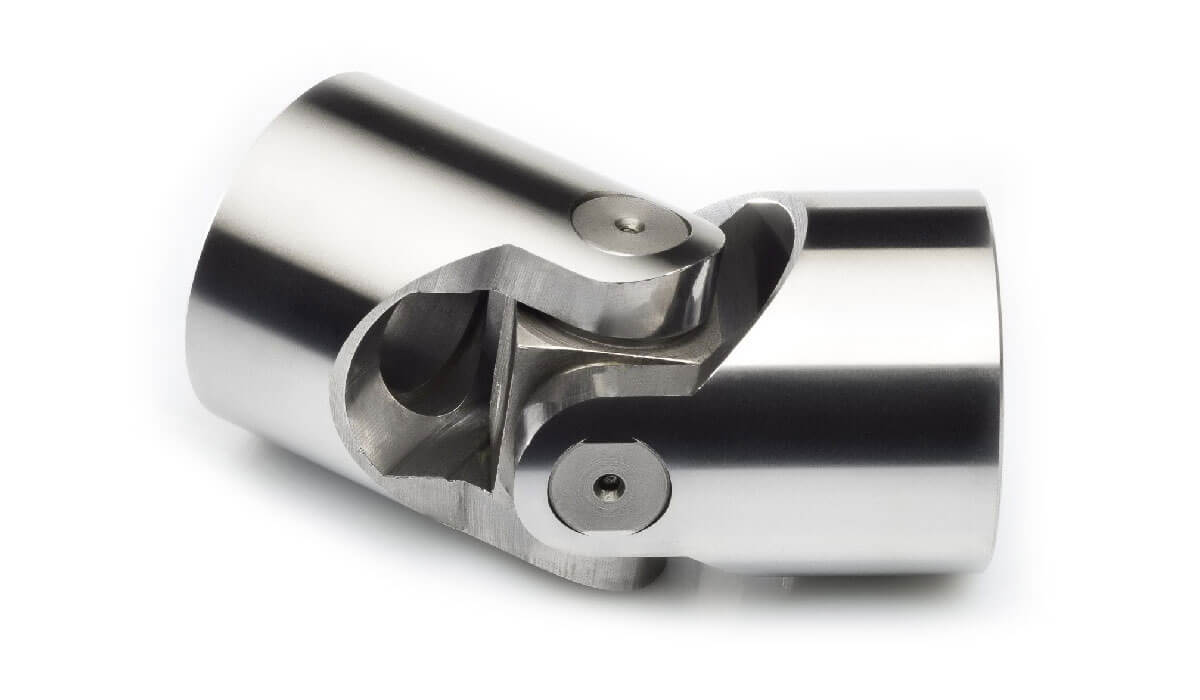
What are the benefits of using a universal joint in a mechanical system?
Using a universal joint in a mechanical system offers several benefits that contribute to the efficient and reliable operation of the system. Here are some of the key advantages:
- Misalignment compensation: One of the primary benefits of a universal joint is its ability to compensate for misalignment between rotating shafts. Universal joints can effectively transmit rotary motion between shafts that are not perfectly aligned, allowing for flexibility in system design and assembly. This flexibility accommodates various installation constraints and helps to minimize stress and wear on components.
- Angular motion transmission: Universal joints enable the transmission of angular motion between shafts that are not parallel or collinear. They can transfer rotational movement even when the shafts are at different angles to each other. This capability is particularly useful in applications where the shafts need to be connected at non-linear or offset angles, providing versatility and enabling complex mechanical systems.
- Torque transmission: Universal joints are capable of transmitting torque between shafts efficiently. They allow for the transfer of power from one shaft to another without a direct and rigid connection. This feature is especially important in applications where there may be slight misalignment or movement between the shafts due to factors like suspension systems, articulation, or vibration.
- Reduced vibration and shock absorption: Universal joints can help dampen vibration andshocks in a mechanical system. They absorb and distribute the impact forces caused by uneven movement or external disturbances, reducing the transmission of vibrations to other parts of the system. This feature is particularly beneficial in applications where smooth operation and reduced wear and tear are essential, such as automotive drivelines or industrial machinery.
- Constant velocity transmission: Certain types of universal joints, such as double joints or constant velocity joints, provide constant velocity transmission. These joints eliminate speed variations and maintain a consistent rotational speed even when the input and output shafts are at different angles. Constant velocity transmission is crucial in applications where precise and uniform motion is required, such as automotive steering systems or robotics.
- Flexibility and articulation: Universal joints offer flexibility and articulation, allowing for movement and rotation in multiple directions. They can accommodate changes in the orientation and position of connected shafts, providing mechanical systems with the ability to adapt to dynamic conditions. This flexibility is particularly advantageous in applications involving moving parts, such as suspension systems, robotic arms, or machinery with articulating components.
- Compact design: Universal joints are relatively compact in size, making them suitable for applications with space constraints. Their compact design allows for efficient integration into mechanical systems without occupying excessive space. This feature is valuable in various industries, including automotive, aerospace, and robotics, where optimizing space utilization is crucial.
- Reliability and durability: Universal joints are designed to be durable and reliable, with the ability to withstand high loads, torque, and operating conditions. They are constructed from robust materials and undergo rigorous testing to ensure long-lasting performance. This reliability makes them suitable for demanding applications in industries such as automotive, manufacturing, agriculture, and more.
The benefits of using a universal joint in a mechanical system contribute to improved functionality, increased efficiency, and extended component lifespan. By enabling misalignment compensation, angular motion transmission, torque transfer, vibration reduction, constant velocity transmission, flexibility, and compact design, universal joints enhance the overall performance and reliability of mechanical systems.


editor by CX 2024-02-07