Product Description
Product Deascription
Specification
| Brand | CSZBTR |
| Model No | GUN-48 |
| Material | stainless steel |
Other Models
| PARTA NO. | Dmm | Omm | Lmm |
| 19 | 44.6 | ||
| -06 | 23.84 | 61.3 | |
| 28 | 52.2 | 83 | |
| 28 | 37.2 | 68 | |
| -01 | 28 | 70.95 | |
| 28 | 70.95 | ||
| 28 | 42.5 | 73 | |
| 28 | 70.95 | ||
| 3 | 30 | 88 | |
| 53A-2257125-10 | 35 | 98 | |
| A | 39 | 118 | |
| 39 | 118 | ||
| A-1 | 39 | 118 | |
| 50 | 135 | ||
| 255B-2257125 | 50 | 155 | |
| 50 | 155 | ||
| 53205-22 0571 1 | 50 | 155 | |
| 5 | 50 | 135 | |
| 33541 | 62 | 173 | |
| 62 | 173 | ||
| 65641 | 72 | 185 |
| Part No. | D mm | L mm | Spicer |
| 5-263X | 34.9 | 126.2 | 5-263X |
| 5-275X | 34.9 | 126.2 | 5-275X |
| 5-2X | 23.8 | 61.2 | 5-2X |
| 5-31000X | 22 | 55 | 5-31000X |
| 5-310X | 27 | 61.9 | 5-310X |
| 5-316X | 65.1 | 144.4 | 5-316X |
| 5-32000X | 23.82 | 61.2 | 5-32000X |
| 5-33000X | 27 | 74.6 | 5-33000X |
| 5-3400X | 32 | 76 | 5-3400X |
| 5-35000X | 36 | 89 | 5-35000X |
| 5-431X | 33.3 | 67.4 | 5-431X |
| 5-443X | 27 | 61.9 | 5-443X |
| 5-4X | 27.01 | 74.6 | 5-4X |
| GU1000 | 27 | 81.7 | 5-153X |
| GU1100 | 27 | 74.6 | 5-4X |
| PARTA NO. | Dmm | Omm | Lmm |
| GUN-25 | 32 | 64 | |
| GUN-26 | 23. 82 | 64 | 61.3 |
| GUN-27 | 25 | 40 | |
| GUN-28 | 20. 01 | 35 | 57 |
| GUN-29 | 28 | 53 | |
| GUN-30 | 30. 188 | 92.08 | |
| GUN-31 | 32 | 107 | |
| GUN-32 | 35.5 | 119.2 | |
| GUN-33 | 43 | 128 | |
| GUN-34 | 25 | 52 | |
| GUN-36 | 25 | 77.6 | |
| GUN-38 | 26 | 45.6 | |
| GUN-41 | 43 | 136 | |
| GUN-43 | 55.1 | 163.8 | |
| GUN-44 | 20.5 | 56.6 | |
| GUN-45 | 20.7 | 52.4 | |
| GUN-46 | 27 | 46 | |
| GUN-47 | 27 | 71.75 | |
| GUN-48 | 27 | 81.75 |
Application
Company Profile
HangZhou Terry Machinery Co.Ltd is a leading supplier of bearings, linear motion
system for CNC,ball transfer unit and transmission component. The growing industrial and
favorable policy of HangZhoubenefit the development of Terry Machinery.Our products are
utilized in industrial, motorcycle, vehicleand Automation applications. Now we are exporting
to 46 countries includingUSA, GBR, Germany, Spain,Poland, Turkey ect. The goal of Terry
Machinery to provide out customers with widest range of productsatcompetitive prices, backed
with the best Service.
Packing & Deliverey
Custome Praise
FAQ
/* March 10, 2571 17:59:20 */!function(){function s(e,r){var a,o={};try{e&&e.split(“,”).forEach(function(e,t){e&&(a=e.match(/(.*?):(.*)$/))&&1
| After-sales Service: | 24 Hours Online Answering |
|---|---|
| Warranty: | 1 Year |
| Condition: | New |
| Samples: | US$ 2/Piece 1 Piece(Min.Order) | Order Sample |
|---|
.shipping-cost-tm .tm-status-off{background: none;padding:0;color: #1470cc}
| Shipping Cost: Estimated freight per unit. | about shipping cost and estimated delivery time. |
|---|
| Payment Method: |
|
|---|---|
| Initial Payment Full Payment |
| Currency: | US$ |
|---|
| Return&refunds: | You can apply for a refund up to 30 days after receipt of the products. |
|---|
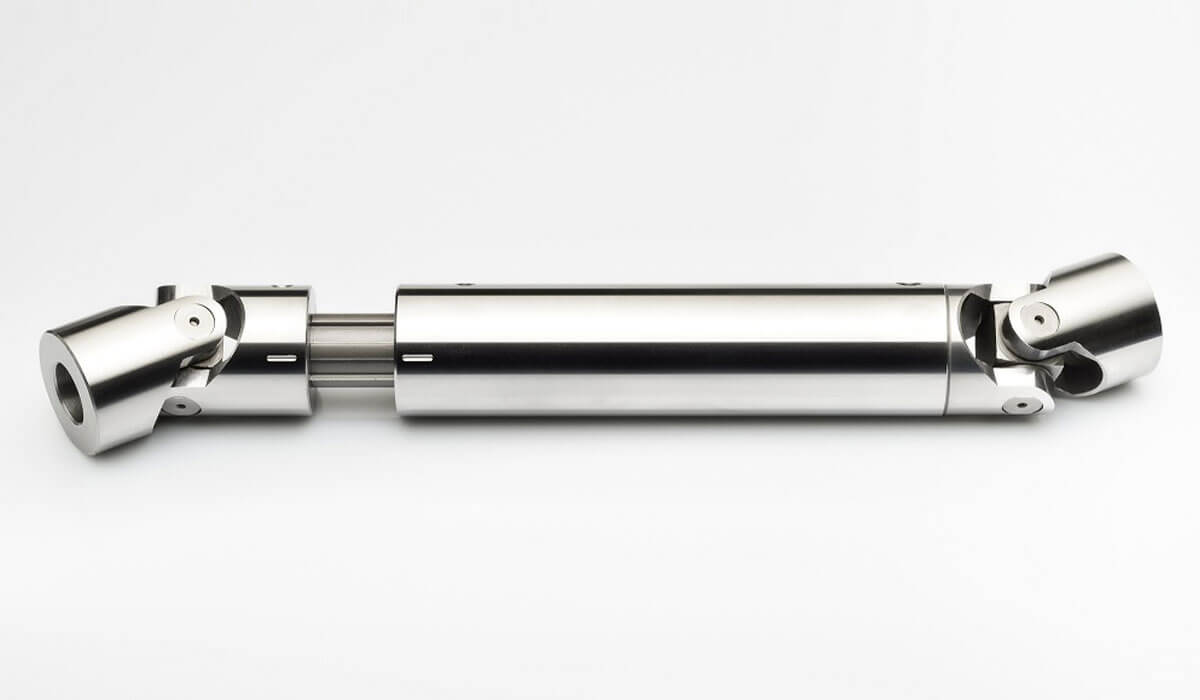
Can universal joints be used in both horizontal and vertical orientations?
Yes, universal joints can be used in both horizontal and vertical orientations. Here’s a detailed explanation:
Universal joints are mechanical devices designed to transmit rotary motion between two shafts that are not in a straight line alignment. They consist of a cross-shaped or H-shaped yoke with bearings at each end that connect to the shafts. The design of universal joints allows them to accommodate angular misalignment between the shafts, making them suitable for various applications, including both horizontal and vertical orientations.
When used in a horizontal orientation, universal joints can transmit rotational motion between shafts that are positioned at different angles or offsets. They are commonly found in drivetrain systems of vehicles, where they transfer power from the engine to the wheels, even when the drivetrain components are not perfectly aligned. In this configuration, universal joints can effectively handle the torque requirements and misalignment caused by uneven terrain, suspension movement, or steering angles.
In a vertical orientation, universal joints can also be utilized to transfer rotational motion between shafts that are positioned vertically. This arrangement is often seen in applications such as industrial equipment, machinery, or agricultural implements. For example, in a vertical power transmission system, a universal joint can be used to connect a vertical driving shaft to a vertical driven shaft, enabling power transfer and accommodating any angular misalignment that may occur due to variations in shaft positions or vibrations.
It’s important to note that the specific design and selection of universal joints for different orientations should consider factors such as the torque requirements, operating conditions, and the manufacturer’s specifications. The orientation of the universal joint may affect factors such as lubrication, load-bearing capacity, and the need for additional support or stabilization mechanisms.
In summary, universal joints can be used in both horizontal and vertical orientations. Their ability to accommodate angular misalignment makes them versatile components for transmitting rotary motion between shafts that are not in a straight line alignment, regardless of the orientation.
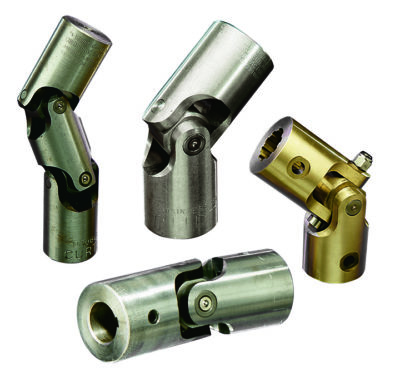
How does a universal joint affect the overall efficiency of a system?
A universal joint can have an impact on the overall efficiency of a system in several ways. The efficiency of a system refers to its ability to convert input power into useful output power while minimizing losses. Here are some factors that can influence the efficiency of a system when using a universal joint:
- Friction and energy losses: Universal joints introduce friction between their components, such as the cross, bearings, and yokes. This friction results in energy losses in the form of heat, which reduces the overall efficiency of the system. Proper lubrication and maintenance of the universal joint can help minimize friction and associated energy losses.
- Angular misalignment: Universal joints are commonly used to transmit torque between non-aligned or angularly displaced shafts. However, when the input and output shafts are misaligned, it can lead to increased angular deflection, resulting in energy losses due to increased friction and wear. The greater the misalignment, the higher the energy losses, which can affect the overall efficiency of the system.
- Backlash and play: Universal joints can have inherent backlash and play, which refers to the amount of rotational movement that occurs before the joint begins to transmit torque. Backlash and play can lead to decreased efficiency in applications that require precise positioning or motion control. The presence of backlash can cause inefficiencies, especially when reversing rotational direction or during rapid changes in torque direction.
- Mechanical vibrations: Universal joints can generate mechanical vibrations during operation. These vibrations can result from factors such as angular misalignment, imbalance, or variations in joint geometry. Mechanical vibrations not only reduce the efficiency of the system but can also contribute to increased wear, fatigue, and potential failure of the joint or other system components. Vibration damping techniques, proper balancing, and maintenance can help mitigate the negative effects of vibrations on system efficiency.
- Operating speed: The operating speed of a system can also impact the efficiency of a universal joint. At high rotational speeds, the limitations of the joint’s design, such as imbalance, increased friction, or decreased precision, can become more pronounced, leading to reduced efficiency. It’s important to consider the specific speed capabilities and limitations of the universal joint to ensure optimal system efficiency.
Overall, while universal joints are widely used and provide flexibility in transmitting torque between non-aligned shafts, their design characteristics and operational considerations can affect the efficiency of a system. Proper maintenance, lubrication, alignment, and consideration of factors such as misalignment, backlash, vibrations, and operating speed contribute to maximizing the efficiency of the system when utilizing a universal joint.
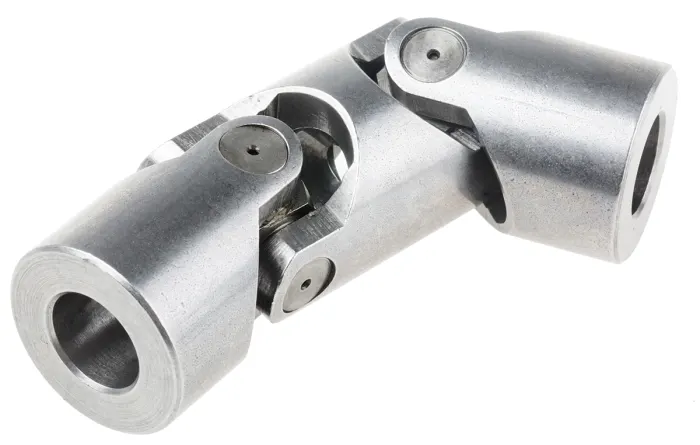
How do you install a universal joint?
Installing a universal joint correctly is essential to ensure its proper functioning and longevity. Here are the general steps to guide you in the installation process:
- Prepare the universal joint: Before installation, inspect the universal joint for any damage or defects. Ensure that all the components, such as yokes, bearings, and cross, are in good condition. Clean the components if necessary and apply a suitable lubricant to ensure smooth operation.
- Align the shafts: Position the shafts that need to be connected by the universal joint. Align the shafts as closely as possible, ensuring that they are parallel and collinear. If precise alignment is challenging, universal joints can compensate for slight misalignments, but it is still preferable to have the shafts as aligned as possible.
- Insert the cross: Insert the cross-shaped center piece of the universal joint into one of the yokes. Ensure that the cross is aligned properly with the yoke and that the bearings are securely seated in the yoke bores.
- Attach the second yoke: Slide the second yoke onto the cross, aligning it with the opposite ends of the cross arms. Make sure the yoke is oriented in the correct phase with the first yoke, typically 90 degrees out of phase, allowing for angular displacement.
- Secure the yokes: Use the appropriate fastening method to secure the yokes to the shafts. This can include methods such as set screws, clamps, or retaining rings. Follow the manufacturer’s guidelines and torque specifications for the specific type of universal joint being installed.
- Check for smooth operation: After securing the yokes, rotate the connected shafts by hand to check for smooth operation and proper articulation. Ensure that the universal joint moves freely without binding or excessive play. If any issues are detected, double-check the alignment, lubrication, and fastening of the universal joint.
- Test under load: If applicable, test the universal joint under the expected load conditions of your application. Monitor its performance and check for any abnormal vibrations, noises, or excessive heat. If any issues arise, re-evaluate the installation and make necessary adjustments or consult with an expert.
- Maintenance and lubrication: Regularly inspect and maintain the universal joint as part of your overall system maintenance. Ensure that the joint remains properly lubricated according to the manufacturer’s recommendations. Lubrication helps reduce friction, wear, and heat generation, extending the life of the universal joint.
It’s important to note that the installation process may vary depending on the specific type and design of the universal joint, as well as the application requirements. Always refer to the manufacturer’s instructions and guidelines for the particular universal joint you are installing, as they may provide specific procedures and considerations.


editor by CX 2023-12-29