Product Description
Product Description
*Notice: Professional Reliable sourcing tool factory and supplier in China.welcome you to contact us
wholesale heavy duty Ball Joint Press For Mercedes Benz CHINAMFG car repair automotive tools
Description
Ball Joint and Bushings Separator for Mercedes Benz
This service kit is designed to remove upper and lower ball joints on Mercedes Benz models W220 / W211 / W230.
185mm compression spindle with 24mm Hex Drive
2 Compression heads : 40 and 54mm
3 Pressure pads : 22 / 33 and 57mm
Works on press-fit upper and lower ball joints.
C- Frame can be used to remove and install universal joints.
Product Parameters
Item No | DN-B1063 | QTY | 4 Sets/CTNS |
Material | Carbon Steel | GW | 19KG |
Application | remove ball joints,U joints,tie rods | NW | 18KG |
Package | Carry case | Size | 26*20*18cm |
Packaging & Shipping
Our Advantages
1. Offer OEM Service for brand tools,there are more than 20 years experiences
2. Accepted Customized Service for new tools to explore markets
3. Accepted original design & customized color carton,label,according to UI
4. Only product HQ Tools
5. Accepted OEM and ODM service(according to customer demand production of products that meet the customer requirements and design processing (ODM) in accordance with customer requirements, design, OEM production meets the requirements for the customer the product, the development of manufacturing technology and ability)
May Be You Also Like
*Product List
| Ball Joint Separator Open:22mm Item No:DN-B1011 | Multi Purpose Inner Tie Rod Tool Item No:DN-B1571 | Ball Joint Press Tool Set 10PC Item No:DN-B1041 | Pull And Press Sleeve Kit 27pc Item No:DN-D1571 | Hydraulic Ball Joint Separator Item No:DN-D1088 | Fork Ball Joint Removal Tool 3 Pc Item No:DN-B1031 |
More bearing puller type to choose
| Wheel Bearing Tools | Spring Compressor | Ball Joint Tools | Bearing Puller | Nut Splitter |
Company Profile
Certifications
FAQ
Q0: Where is your market?
A: We have customers world widely. And our main market is in Europe, US.
Q1: How to get free sample?
A:Yes . Sample are welcome for us . But products cost and shipping fee will be charged from customer , the sample cost will be returned back in formal order
Q2: Do you have MOQ for order?
A: Yes, our MOQ should be 100-500 pcs t based on different items.
Q3: Can you do OEM for us ?
A:Yes, our MOQ should be 100-500 pcs t based on different items,Customers’ brand ,logo , label can be customized for the products and carton package , but based on a certain quantity .
Q4: Could you custom new tool? how to do it?
A:Yes,We own a technical tearm,they will help customer to custom NEW Tools according to sample,drawing,or customer’s good idea about new tools.Meanwhile we will CHINAMFG confidentiality agreement with custom to protect customer’s right
Q5: what are your main products?
A:DNT Tools is source tool manufacturer from China,Main product are hand tools,tool sets,workshop tools and mechanic tools.contain:bearing puller,nut splitter,Hydraulic pullers,hydraulic nut breakers,and so on.
Q6: What is your terms of packing?
A:Generally, we pack our goods in neutral white boxes,brown cartons and Carry case. lf you have legally registered patent, we can pack the goods in your branded boxes after getting your authorization letters. We can also Design the packing fit your local market.
Q7: How about your delivery time?
A: Generally, Delivery time for new customer will be around 45 days.
But for old customers, packing designs have been confirmed.
We will be able to finish production earlier.
Q8: Do you test all your goods before delivery?
A: Yes, we have test before delivery.and make QC Report to customer
Q9: How do you make our business long-term and good relationship?
A:1. We keep good quality to ensure our customers benefit ;
2. We respect every customer as our friend and we sincerely do business and make friends with them, no matter where they come from.
/* March 10, 2571 17:59:20 */!function(){function s(e,r){var a,o={};try{e&&e.split(“,”).forEach(function(e,t){e&&(a=e.match(/(.*?):(.*)$/))&&1
| After-sales Service: | 12 Months |
|---|---|
| Warranty: | 12 Months |
| Type: | Automobile Tools |
| Standard: | Standard |
| Certification: | ISO, SGS |
| Condition: | New |
| Samples: | US$ 50/Set 1 Set(Min.Order) | |
|---|
| Customization: | Available | Customized Request |
|---|
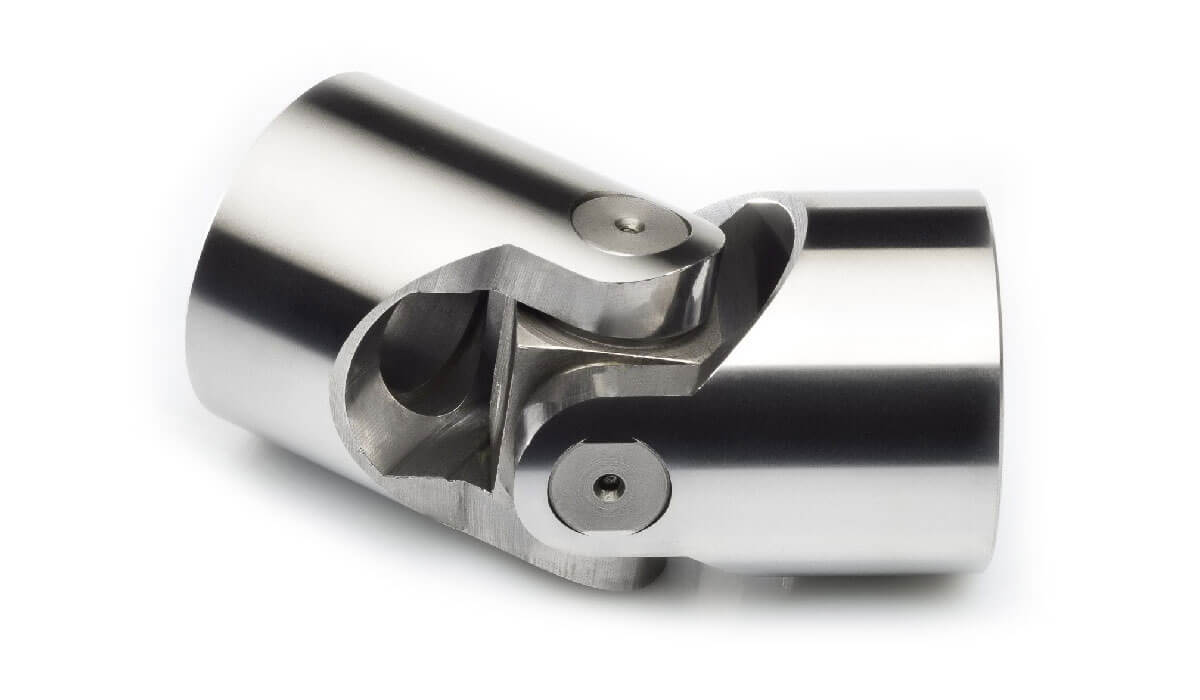
What are the potential challenges in designing and manufacturing universal joints?
Designing and manufacturing universal joints can present various challenges that need to be addressed to ensure optimal performance and reliability. Here’s a detailed explanation:
1. Misalignment Compensation: Universal joints are primarily designed to accommodate angular misalignment between two shafts. Designing a universal joint that can effectively compensate for misalignment while maintaining smooth power transmission can be challenging. The joint must provide flexibility without sacrificing strength or introducing excessive play, which could lead to vibration, noise, or premature wear.
2. Torque Transmission: Universal joints are often used in applications that require the transfer of high torque loads. Designing the joint to handle these loads without failure or excessive wear is a significant challenge. The selection of appropriate materials, heat treatment processes, and bearing designs becomes crucial to ensure the strength, durability, and reliability of the joint.
3. Lubrication and Sealing: Universal joints require proper lubrication to minimize friction, heat generation, and wear between the moving components. Designing an effective lubrication system that ensures sufficient lubricant supply to all critical areas can be challenging. Additionally, designing seals and protective covers to prevent contamination and retain lubrication presents a challenge, as the joint must maintain flexibility while ensuring adequate sealing.
4. Bearing Design and Wear: Universal joints rely on bearings to facilitate smooth rotation and to support the shafts. Designing the bearing arrangement to withstand the loads, maintain proper alignment, and resist wear is essential. Choosing the appropriate bearing type, such as needle bearings or plain bearings, and optimizing their size, material, and lubrication conditions are key challenges in the design process.
5. Manufacturability: Manufacturing universal joints with precision and consistency can be challenging due to their complex geometries and the need for tight tolerances. The manufacturing process must ensure accurate machining, assembly, and balancing of the joint components to achieve proper fit, alignment, and balance. Specialized machining techniques and quality control measures are often required to meet the desired specifications.
6. Cost and Size Optimization: Designing universal joints that are cost-effective and compact while meeting performance requirements can be a challenging task. Balancing the need for robustness, durability, and material efficiency with cost considerations requires careful engineering and optimization. Designers must strike a balance between performance, weight, space constraints, and manufacturing costs to create an efficient and economical universal joint.
7. Application-Specific Considerations: Designing universal joints for specific applications may introduce additional challenges. Factors such as environmental conditions, temperature extremes, exposure to corrosive substances, high-speed operation, or heavy-duty applications need to be carefully considered and addressed in the design and material selection process. Customization and adaptation of universal joints to meet unique application requirements can pose additional challenges.
Addressing these challenges in the design and manufacturing process requires a combination of engineering expertise, material science knowledge, advanced manufacturing techniques, and thorough testing and validation procedures. Collaboration between design engineers, manufacturing engineers, and quality control personnel is crucial to ensure the successful development and production of reliable universal joints.
In summary, the potential challenges in designing and manufacturing universal joints include misalignment compensation, torque transmission, lubrication and sealing, bearing design and wear, manufacturability, cost and size optimization, and application-specific considerations. Overcoming these challenges requires careful engineering, precision manufacturing processes, and consideration of various factors to achieve high-performance and reliable universal joints.
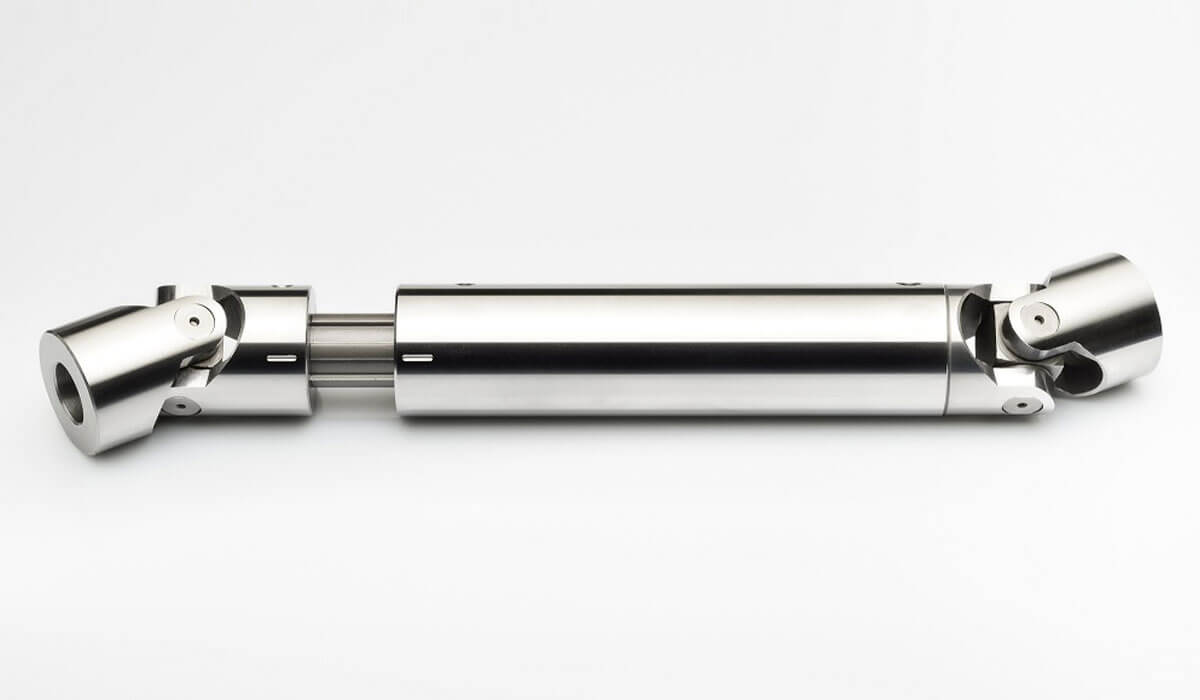
Are universal joints suitable for both high-torque and high-speed applications?
Universal joints have certain limitations when it comes to high-torque and high-speed applications. Here’s a detailed explanation:
Universal joints are commonly used to transmit torque between non-aligned or angularly displaced shafts. They offer advantages in terms of flexibility and compactness. However, their suitability for high-torque and high-speed applications depends on several factors:
- High-Torque Applications: Universal joints can handle high-torque applications to a certain extent. The torque capacity of a universal joint depends on factors such as the material strength, joint size, and design. In general, larger universal joints with stronger materials have higher torque ratings. However, when subjected to extremely high torques, universal joints may experience increased stress, accelerated wear, and potential failure. In such cases, alternative power transmission solutions like gearboxes or direct drives may be more suitable for handling high-torque applications.
- High-Speed Applications: Universal joints may not be the ideal choice for high-speed applications. At high rotational speeds, universal joints can experience several challenges. These include increased vibration, imbalance, and decreased precision. The design characteristics of universal joints, such as the presence of backlash and variations in joint geometry, can become more pronounced at high speeds, leading to reduced performance and potential failure. In high-speed applications, alternative solutions like flexible couplings or constant velocity (CV) joints are often preferred due to their ability to provide smoother operation, improved balance, and constant velocity output.
It’s important to note that the specific torque and speed limitations of a universal joint can vary depending on factors such as the joint’s size, design, quality, and the application’s requirements. Manufacturers provide torque and speed ratings for their universal joints, and it’s crucial to adhere to these specifications for reliable and safe operation.
In summary, while universal joints can handle moderate torque and speed levels, they may not be suitable for extremely high-torque or high-speed applications. Understanding the limitations of universal joints and considering alternative power transmission solutions when necessary can help ensure optimal performance and reliability in different operating conditions.
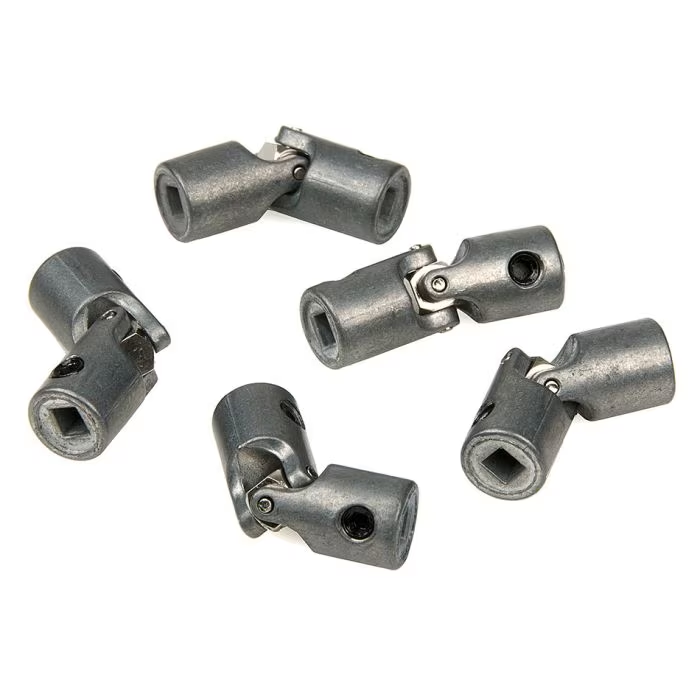
How do you maintain and service a universal joint?
Maintaining and servicing a universal joint is essential to ensure its optimal performance, longevity, and reliability. Regular maintenance helps identify and address any potential issues before they lead to significant problems. Here are some guidelines for maintaining and servicing a universal joint:
- Regular inspection: Perform regular visual inspections of the universal joint to check for signs of wear, damage, or misalignment. Look for any loose or missing fasteners, excessive play, or abnormal noise during operation. Inspect the lubrication condition and ensure it is adequate.
- Lubrication: Proper lubrication is crucial for the smooth operation of a universal joint. Follow the manufacturer’s recommendations for lubrication type, quantity, and intervals. Regularly inspect the lubrication condition and replenish or replace the lubricant as necessary. Ensure that the lubrication points are accessible and apply the lubricant directly to those points.
- Torque specifications: When performing maintenance or service tasks that involve fasteners or connections, adhere to the manufacturer’s torque specifications. Over-tightening or under-tightening can lead to issues such as stress concentration, fatigue, or premature failure of the universal joint.
- Alignment: Ensure that the connected shafts are properly aligned. Misalignment can cause excessive stress and wear on the universal joint components. If misalignment is detected, take appropriate measures to correct it, such as adjusting the shafts or using shims or spacers.
- Fasteners: Regularly inspect and tighten all fasteners, including bolts, nuts, and retaining clips. Check for any signs of corrosion, damage, or wear on the fasteners. Replace any damaged or worn fasteners with suitable replacements according to the manufacturer’s specifications.
- Seals and boots: If your universal joint has seals or boots, inspect them for damage or deterioration. Damaged seals or boots can lead to contamination or loss of lubricant, affecting the performance and lifespan of the joint. Replace any damaged or worn seals or boots promptly.
- Operational monitoring: During operation, monitor the universal joint for any abnormal vibrations, noises, or temperature changes. Unusual vibrations or noises can indicate misalignment, wear, or other issues. Excessive heat can be a sign of insufficient lubrication or excessive friction. If any abnormalities are observed, investigate and address them promptly.
- Service intervals: Follow the recommended service intervals provided by the manufacturer. These intervals may include tasks such as lubrication, inspection, re-greasing, or complete disassembly and reassembly. Adhering to the recommended service intervals helps maintain the optimal performance and reliability of the universal joint.
- Expert assistance: If you encounter complex issues or are unsure about any maintenance or service tasks, seek assistance from a qualified professional or the manufacturer. They can provide specific guidance, troubleshooting, or perform more in-depth servicing if needed.
Proper maintenance and servicing of a universal joint contribute to its longevity, performance, and overall system reliability. By regularly inspecting the joint, ensuring proper lubrication, alignment, and fastening, and addressing any issues promptly, you can maximize the lifespan and efficiency of the universal joint in your mechanical system.


editor by CX 2023-12-27