Product Description
Manufacturer Auto Spare Parts Car Suspension parts Electrical parts Body parts Engine parts and Accessories for CHINAMFG Vios Yaris Corolla Fortuner Hilux CHINAMFG Hiace LandCruiser Coster 4Runner Highlander Camryetc.571160070,57110K080,571OK012,GUT12,GU1000,GUT12,GUT10
Product Description
A Universal joint, U-joint, Cross joint, or Cardan joint, is a joint or coupling in a rigid rod that allows the rod to ‘bend’ in any direction, and is commonly used in shafts that transmit rotary motion, is used for transmission systems of cars, buses, trucks, and tractors.
Installation Instructions
Product Details:
Product: Universal Joint.
Hardness: HRC58-64.
Brand: LR or OEM service.
Packing: Plastic bag, color/white box, carton, wood pallet.
Sample policy: Free sample, freight collect.
our catalog:
Detailed Photos
other instructions
1>it is FOB HangZhou price . (also can send free to HangZhou HangZhou /ning bo ZheJiang and so on. warehouse .)
2>the material is 20cr good material , must not any complain from your customers. (also have 20Mn . 20cr Mn Ti )
3>our delivery time is 40days (with 20Gp container ) . very in time .
4> Can develop according to customer’s drawings or samples
5> OEM is available
6> Full range for the universal joint
7> Good quality and resonable price
Packaging & Shipping
the packing . Standard netural packing with carton.
Delivery detail: 30-45 working days,depend on the actual produce condition.
Company Profile
HangZhou Chuangbang Locomotive Parts Co., Ltd. is a manufacturer of cross shaft and three-pronged universal joint. The company now has mature production technology, testing equipment and set up R & D, mold development center, quality inspection, sales and other departments, greatly improving the productivity and product quality stability. After years of efforts, the company’s product quality and technology in the forefront of the domestic, and with its intimate after-sales service to win the trust of customers, but also won a good reputation for themselves. After years of hard work and struggle, the company has expanded its business to overseas markets, and has established mutually winning cooperative relations with customers in other foreign markets. As the company name indicates, we are running, innovating, we have been running, constantly innovating! But every time we run, the reason for innovation is because of you!If you need know us, please visit our website.
FAQ
Q1: What is the location of your company?
A1: Our company is located in the TangXia (RuiAn) City ,ZHangZhoug province,China.Welcome to visit our factory at anytime!
Q2: How does your factory do regarding quality control?
A2: Our standard QC system to control quality(TS16949 2016).
Q3: What is your delivery time?
A3: Usually within 30-40 days after the receipt of payment.Delivery time must depend on the actual produce condition.
Q4: What are your strengths?
A4: 1.We are the manufacturer,having competitive advantage in price.
2.A large part of money is put into advancing CNC equipments and product
R&D department annual,the performance of universal joint can be guaranteed.
3.About quality issues or follow-up after-sales service,we report directly to the boss.
| Condition: | New |
|---|---|
| Color: | Silver |
| Certification: | ISO |
| Structure: | Double |
| Material: | Stainless Steel |
| Type: | Retractable |
| Customization: | Available | Customized Request |
|---|
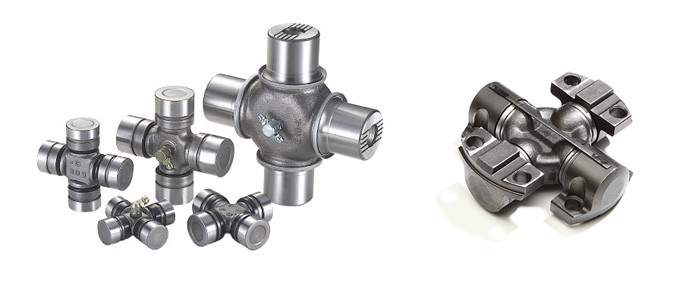
How do you retrofit an existing mechanical system with a universal joint?
Retrofitting an existing mechanical system with a universal joint involves modifying or adding components to integrate the universal joint into the system. Here’s a detailed explanation of the retrofitting process:
To retrofit an existing mechanical system with a universal joint, follow these steps:
- Evaluate the System: Begin by thoroughly assessing the existing mechanical system. Understand its design, components, and the type of motion it requires. Identify the specific area where the universal joint needs to be incorporated and determine the necessary modifications or additions.
- Design Considerations: Take into account the operating conditions, load requirements, and available space in the system. Consider the size, type, and specifications of the universal joint that will best suit the retrofit. This includes selecting the appropriate joint size, torque capacity, operating angles, and any additional features required for compatibility with the system.
- Measurements and Alignment: Accurately measure the dimensions and alignment of the existing system, particularly the shafts involved in the retrofit. Ensure that the required modifications or additions align properly with the system’s existing components. Precise measurements are crucial for a successful retrofit.
- Modify Existing Components: In some cases, it may be necessary to modify certain components of the existing system to accommodate the universal joint. This could involve machining or welding to create attachment points or adjust the dimensions of the system’s components to ensure proper fitment of the universal joint and its associated parts.
- Integrate the Universal Joint: Install the universal joint into the retrofit area according to the system’s requirements and design considerations. This involves securely attaching the universal joint to the modified or existing components using appropriate fasteners or connection methods as specified by the manufacturer. Ensure that the joint is properly aligned with the shafts to facilitate smooth and efficient motion transfer.
- Supporting Components: Depending on the specific retrofit requirements, additional supporting components may be needed. This can include yokes, bearings, shaft couplings, or guards to ensure proper functioning and protection of the universal joint assembly and the overall system.
- Testing and Adjustment: Once the retrofit is complete, thoroughly test the system to ensure that the universal joint operates smoothly and meets the desired performance requirements. Make any necessary adjustments to align the system and optimize its functionality. It is essential to verify that the retrofit does not introduce any adverse effects or compromise the overall operation of the mechanical system.
Retrofitting an existing mechanical system with a universal joint requires careful planning, precise measurements, and proper integration of the joint into the system. By following these steps and considering the design considerations and compatibility, it is possible to successfully incorporate a universal joint into an existing mechanical system and enhance its functionality and performance.
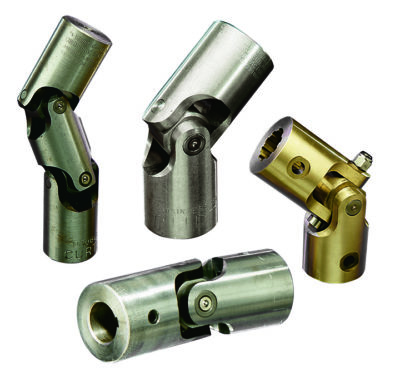
How does a universal joint affect the overall efficiency of a system?
A universal joint can have an impact on the overall efficiency of a system in several ways. The efficiency of a system refers to its ability to convert input power into useful output power while minimizing losses. Here are some factors that can influence the efficiency of a system when using a universal joint:
- Friction and energy losses: Universal joints introduce friction between their components, such as the cross, bearings, and yokes. This friction results in energy losses in the form of heat, which reduces the overall efficiency of the system. Proper lubrication and maintenance of the universal joint can help minimize friction and associated energy losses.
- Angular misalignment: Universal joints are commonly used to transmit torque between non-aligned or angularly displaced shafts. However, when the input and output shafts are misaligned, it can lead to increased angular deflection, resulting in energy losses due to increased friction and wear. The greater the misalignment, the higher the energy losses, which can affect the overall efficiency of the system.
- Backlash and play: Universal joints can have inherent backlash and play, which refers to the amount of rotational movement that occurs before the joint begins to transmit torque. Backlash and play can lead to decreased efficiency in applications that require precise positioning or motion control. The presence of backlash can cause inefficiencies, especially when reversing rotational direction or during rapid changes in torque direction.
- Mechanical vibrations: Universal joints can generate mechanical vibrations during operation. These vibrations can result from factors such as angular misalignment, imbalance, or variations in joint geometry. Mechanical vibrations not only reduce the efficiency of the system but can also contribute to increased wear, fatigue, and potential failure of the joint or other system components. Vibration damping techniques, proper balancing, and maintenance can help mitigate the negative effects of vibrations on system efficiency.
- Operating speed: The operating speed of a system can also impact the efficiency of a universal joint. At high rotational speeds, the limitations of the joint’s design, such as imbalance, increased friction, or decreased precision, can become more pronounced, leading to reduced efficiency. It’s important to consider the specific speed capabilities and limitations of the universal joint to ensure optimal system efficiency.
Overall, while universal joints are widely used and provide flexibility in transmitting torque between non-aligned shafts, their design characteristics and operational considerations can affect the efficiency of a system. Proper maintenance, lubrication, alignment, and consideration of factors such as misalignment, backlash, vibrations, and operating speed contribute to maximizing the efficiency of the system when utilizing a universal joint.
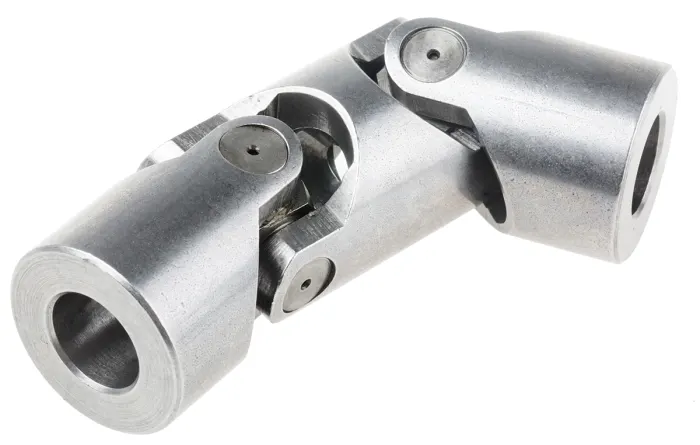
How do you install a universal joint?
Installing a universal joint correctly is essential to ensure its proper functioning and longevity. Here are the general steps to guide you in the installation process:
- Prepare the universal joint: Before installation, inspect the universal joint for any damage or defects. Ensure that all the components, such as yokes, bearings, and cross, are in good condition. Clean the components if necessary and apply a suitable lubricant to ensure smooth operation.
- Align the shafts: Position the shafts that need to be connected by the universal joint. Align the shafts as closely as possible, ensuring that they are parallel and collinear. If precise alignment is challenging, universal joints can compensate for slight misalignments, but it is still preferable to have the shafts as aligned as possible.
- Insert the cross: Insert the cross-shaped center piece of the universal joint into one of the yokes. Ensure that the cross is aligned properly with the yoke and that the bearings are securely seated in the yoke bores.
- Attach the second yoke: Slide the second yoke onto the cross, aligning it with the opposite ends of the cross arms. Make sure the yoke is oriented in the correct phase with the first yoke, typically 90 degrees out of phase, allowing for angular displacement.
- Secure the yokes: Use the appropriate fastening method to secure the yokes to the shafts. This can include methods such as set screws, clamps, or retaining rings. Follow the manufacturer’s guidelines and torque specifications for the specific type of universal joint being installed.
- Check for smooth operation: After securing the yokes, rotate the connected shafts by hand to check for smooth operation and proper articulation. Ensure that the universal joint moves freely without binding or excessive play. If any issues are detected, double-check the alignment, lubrication, and fastening of the universal joint.
- Test under load: If applicable, test the universal joint under the expected load conditions of your application. Monitor its performance and check for any abnormal vibrations, noises, or excessive heat. If any issues arise, re-evaluate the installation and make necessary adjustments or consult with an expert.
- Maintenance and lubrication: Regularly inspect and maintain the universal joint as part of your overall system maintenance. Ensure that the joint remains properly lubricated according to the manufacturer’s recommendations. Lubrication helps reduce friction, wear, and heat generation, extending the life of the universal joint.
It’s important to note that the installation process may vary depending on the specific type and design of the universal joint, as well as the application requirements. Always refer to the manufacturer’s instructions and guidelines for the particular universal joint you are installing, as they may provide specific procedures and considerations.


editor by CX 2023-11-29