Product Description
Universal Joint Plastic Pipe Joint Plastic Pipe Extrusion
Product Detail
| Products | Name | Pipe Joint |
| Products category | Injection plastic parts | |
| Material | PP, ABS, PC, ABS+PC, Nylon, delrin (POM), PMMA, AS, PS, PE, PET, PVC, PEEK, etc; GF added material (ABS+GF, PA66+GF, PA666+GF); Rubber like material (TPE, PU, NBR, silicone, NBR+TPE etc) | |
| Size | All size and thickness available. | |
| Shape | capable of all shapes as per drawing | |
| Color | Natural,black,clear (standard clear or high optical clear), semi-transparent, other colors (Pantone code or RAL code, or as per client’s sample). | |
| Surface finishing | Texture (VDI/MT standard, or made to client’s sample), polished (high polish, mirror polish), smooth, painting, powder coating, printing, electroplating etc. | |
| Drawing | 2D or 3D draiwng in any image/picture format is OK | |
| Free sample | Yes | |
| OEM/OEM | Yes | |
| Application | Household, electronics, vehicles, machinery, hospital, cosmetics, Military and Aerospace etc. | |
| Quality certification | ISO 90001:2008, TS16949, FDA, REACH, ROHS, SGS | |
| QC | Every order production will get more than 10 times regular check and 5 fives times random check by our professional QC. Or by Third party appointed by customer | |
| Mold | Molding Process | Injection molding, overmolding. |
| Mould type | Injection plastic mould | |
| Standard | HASCO, DME, MISUMI, JIS, LKM, etc. | |
| Tooling equipment | Lathe,Milling,Grinder,Drill,CNC,EDM,Wire cut machine,Punch machine | |
| Runner | Cold or hot | |
| Gate | Side Gate, Sub Gate, Direct Gate, Hook Gate, Pin Point Gate, etc. | |
| Cavity | Single or Multi cavities | |
| Mould Life | 300,000~1,00,000 times | |
Plastic production and Equipment
CERTIFICATION AND PACKAGE
FAQ
Q: Are you manufacturer or trading company?
A: We are manufacturer, engineer had rich experience over 20 years.
Q: How to get the quickest quotation?
A: Sending drawing, material, quantity and other rrequirements by email.
Q: How to get quotation without drawing?
A: Possible send sample, pictures or detail descriptions of products to us, we will return you drawing for confirm.
Q: I have an idea for a new product, but not sure if it can be manufactured. Can you help? A. Yes! We are always happy to work with potential customers to evaluate the technical feasibility of your idea or design and we can advise on materials, tooling and likely set-up costs.
Q: My custom products have already been developed on CAD. Can you use the drawings?
A. Yes! DWG, DXF, IGES, Solidworks and Rhino files can all be used to generate quotes, models and mould tools – this can save time and money in producing your parts.
Q: Can I test my idea/product before committing to mould tool manufacture?
A. Yes, we can use CAD drawings to make models for design and functional evaluations.
Q: What type of plastic/rubber material is best for my design/product?
A. Materials selection depends on the application of your design and the environment in which it will function. We will be happy to discuss the alternatives and suggest the best material.
Q: How to get sample?
A: Free sample is available for your quality evaluation, but you should pay the freight. Regarding customize products, sample and mould order will go first before mass production. /* March 10, 2571 17:59:20 */!function(){function s(e,r){var a,o={};try{e&&e.split(“,”).forEach(function(e,t){e&&(a=e.match(/(.*?):(.*)$/))&&1
| Material: | ABS, PP, PE, PS, POM etc, PVC, Nylon |
|---|---|
| Application: | Medical, Household, Electronics, Automotive, Agricultural, Medical, Household, Electronics, Automotive, Agricultural |
| Certification: | TS16949, RoHS, ISO, Ts16949, RoHS, ISO |
| Plastic Type: | Thermosetting Plastic |
| Plastic Form: | Granule |
| Molding Method: | Extrusion Molding |
| Samples: | US$ 0.8/Piece 1 Piece(Min.Order) | |
|---|
| Customization: | Available | Customized Request |
|---|
What are the safety considerations when working with universal joints?
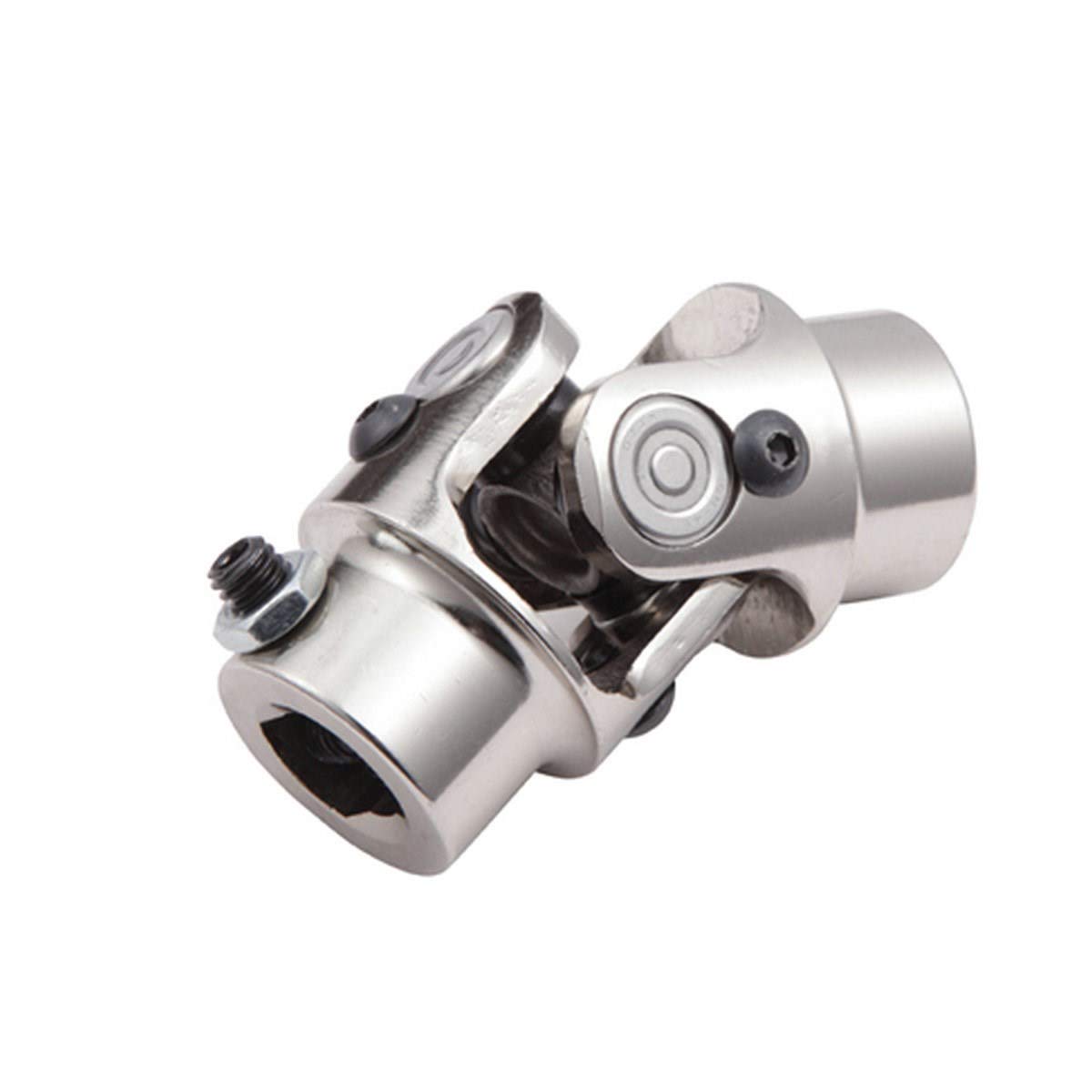
Working with universal joints requires adherence to certain safety considerations to prevent accidents, injuries, and equipment damage. Here’s a detailed explanation:
When dealing with universal joints, it is important to keep the following safety considerations in mind:
- Proper Training and Knowledge: Ensure that individuals working with universal joints have the necessary training and knowledge of their operation, installation, and maintenance. Familiarity with safety procedures and understanding the potential hazards associated with universal joints is crucial for safe handling.
- Personal Protective Equipment (PPE): Use appropriate personal protective equipment, such as safety glasses, gloves, and protective clothing, when working with universal joints. PPE can provide protection against potential hazards, including sharp edges, pinch points, or flying debris during installation, removal, or maintenance activities.
- Secure the System: Before working on a system that involves universal joints, ensure that the equipment is securely shut down and de-energized. Lockout/tagout procedures should be followed to prevent unexpected energization or movement that could cause injury. Securely support any components or shafts connected to the universal joint to prevent accidental movement or collapse during work.
- Inspect for Damage or Wear: Regularly inspect universal joints for signs of damage, wear, or misalignment. Look for indications of excessive play, corrosion, fatigue, or any other abnormalities that may compromise the joint’s integrity. Replace any worn or damaged components promptly to avoid potential failure during operation.
- Safe Handling: When installing or removing universal joints, use proper lifting techniques and equipment to avoid strain or injury. Universal joints can be heavy and cumbersome, so mechanical assistance or lifting devices may be necessary. Follow safe handling practices and avoid placing hands or body parts in the path of rotating or moving components.
- Avoid Exceeding Design Limits: Universal joints have specific design limits for torque, operating angles, and speed. Ensure that these limits are not exceeded during operation. Exceeding the design limits can lead to premature wear, distortion, or catastrophic failure of the joint. Always consult the manufacturer’s guidelines and specifications to ensure safe operation within the defined limits.
- Lubrication and Maintenance: Proper lubrication is essential for the smooth operation and longevity of universal joints. Follow the manufacturer’s recommendations for lubrication intervals and use the specified lubricants. Regularly inspect and maintain the joint, tightening fasteners as needed and addressing any signs of lubrication breakdown, contamination, or leakage.
- Appropriate Tools and Equipment: Use the correct tools and equipment for working with universal joints. Improper tools or techniques can cause damage to the joint or result in injuries. Ensure that tools are in good condition, properly calibrated, and suitable for the specific task at hand.
- Follow Manufacturer Guidelines: Always follow the manufacturer’s guidelines, instructions, and safety precautions specific to the universal joint being used. Manufacturers provide important information regarding installation, operation, maintenance, and safety considerations that should be strictly adhered to.
By adhering to these safety considerations, individuals can minimize the risk of accidents, injuries, and equipment damage when working with universal joints.
What is the effect of varying operating angles on the performance of a universal joint?
Varying operating angles can have a significant effect on the performance of a universal joint. Here’s a detailed explanation:
A universal joint is designed to transmit rotational motion between two shafts that are not collinear or have a constant angular relationship. The operating angle refers to the angle between the input and output shafts of the joint. The effects of varying operating angles on the performance of a universal joint are as follows:
- Changes in Torque and Speed: As the operating angle of a universal joint increases or decreases, the torque and speed transmitted through the joint can be affected. At small operating angles, the torque and speed transmission are relatively efficient. However, as the operating angle increases, the torque and speed capacity of the joint may decrease. This reduction in torque and speed capability is due to increased non-uniform loading and bending moments on the joint’s components.
- Increased Vibrations and Noise: Varying operating angles can introduce vibrations and noise in a universal joint. As the operating angle becomes more extreme, the joint experiences higher levels of dynamic imbalance and misalignment. This imbalance can lead to increased vibration levels, which may affect the overall performance and lifespan of the joint. Additionally, the non-uniform motion and increased stress on the joint’s components can generate additional noise during operation.
- Angular Misalignment Compensation: One of the primary advantages of universal joints is their ability to compensate for angular misalignment between shafts. By accommodating varying operating angles, the joint allows for flexibility in transmitting motion even when the input and output shafts are not perfectly aligned. However, extreme operating angles may challenge the joint’s ability to compensate for misalignment effectively. Very large operating angles can lead to increased wear, decreased joint life, and potential loss of motion transmission efficiency.
- Increased Wear and Fatigue: Varying operating angles can contribute to increased wear and fatigue on the universal joint’s components. As the operating angle increases, the joint experiences higher levels of stress and non-uniform loading. This stress concentration can lead to accelerated wear and fatigue, especially at critical areas such as the bearing caps and needle bearings. Continuous operation at extreme operating angles without proper lubrication and maintenance can significantly reduce the joint’s lifespan.
- Heat Generation: Extreme operating angles can result in increased heat generation within the universal joint. The non-uniform motion and increased friction caused by high operating angles can lead to elevated temperatures. Excessive heat can accelerate lubricant breakdown, increase wear rates, and potentially cause premature failure of the joint. Adequate cooling and proper lubrication are essential to mitigate the effects of heat generation in such cases.
- Efficiency and Power Loss: Varying operating angles can impact the overall efficiency of a universal joint. At small to moderate operating angles, the joint can transmit motion with relatively high efficiency. However, as the operating angle increases, the joint’s efficiency may decrease due to increased friction, bending moments, and non-uniform loading. This reduction in efficiency can result in power loss and decreased overall system performance.
Therefore, it is crucial to consider the effects of varying operating angles on the performance of a universal joint. Proper design, careful selection of operating angles within the joint’s specified limits, regular maintenance, and adherence to manufacturer guidelines can help mitigate the potential negative effects and ensure optimal performance and longevity of the joint.
What are the applications of a universal joint?
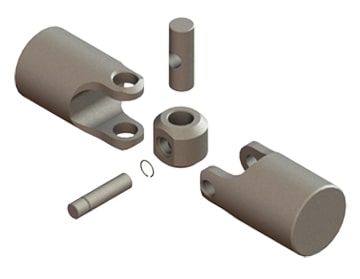
A universal joint, also known as a U-joint, finds applications in various industries and mechanical systems where the transmission of rotary motion is required between misaligned shafts. Here are some common applications of universal joints:
- Automotive Drivelines: One of the most well-known applications of universal joints is in automotive drivelines. Universal joints are used in the drivetrain to transmit power from the engine to the wheels while accommodating the misalignment between the engine, transmission, and axle shafts. They are commonly found in rear-wheel drive and four-wheel drive vehicles, connecting the transmission output shaft to the drive shaft and allowing the wheels to receive power even when the suspension system causes changes in angles and positions.
- Industrial Machinery: Universal joints are widely used in industrial machinery where the transmission of motion at angles is required. They are employed in various types of machinery, such as conveyors, mixers, pumps, printing presses, and machine tools. Universal joints enable the transfer of rotary motion between misaligned shafts, allowing these machines to operate efficiently and effectively.
- Marine and Propulsion Systems: In marine applications, universal joints are used in propulsion systems to transmit power from the engine to the propeller shaft. They allow for the necessary flexibility to accommodate the movement of the vessel and changes in the propeller shaft angle. Universal joints are also used in marine steering systems to transfer motion between the steering wheel and the rudder or outboard motor.
- Agricultural Equipment: Universal joints are utilized in agricultural machinery and equipment such as tractors, combines, and harvesters. They enable the transmission of power between different components, such as the engine, gearbox, and wheels, even when these components are not perfectly aligned. Universal joints provide the necessary flexibility to accommodate the movement and articulation required in agricultural operations.
- Aerospace and Aviation: Universal joints are used in aerospace and aviation applications where motion transmission at angles is required. They can be found in control systems for aircraft wings, flaps, and landing gear. Universal joints allow for the transfer of motion and control inputs between different components, ensuring smooth and reliable operation.
- Heavy Machinery and Construction Equipment: Universal joints are employed in heavy machinery and construction equipment, such as cranes, excavators, and loaders. They enable the transmission of power and motion between different parts of the machinery, accommodating the misalignment that may arise due to the movement and articulation of these machines.
- Railway Systems: Universal joints are used in railway systems for various applications. They are employed in drivetrains and power transmission systems to transmit motion between different components, such as the engine, gearboxes, and axles. Universal joints allow for smooth power transfer while accommodating the misalignment caused by the suspension and movement of the train.
- Robotics and Automation: Universal joints find applications in robotics and automation systems where motion needs to be transmitted between misaligned components. They are used in robotic arms, manipulators, and other automated systems to enable flexible and precise movement while accommodating misalignment and articulation requirements.
These are just a few examples of the diverse range of applications for universal joints. Their ability to transmit rotary motion between misaligned shafts with flexibility and efficiency makes them an essential component in numerous industries and mechanical systems.


editor by CX 2024-01-11