Product Description
Product Usage
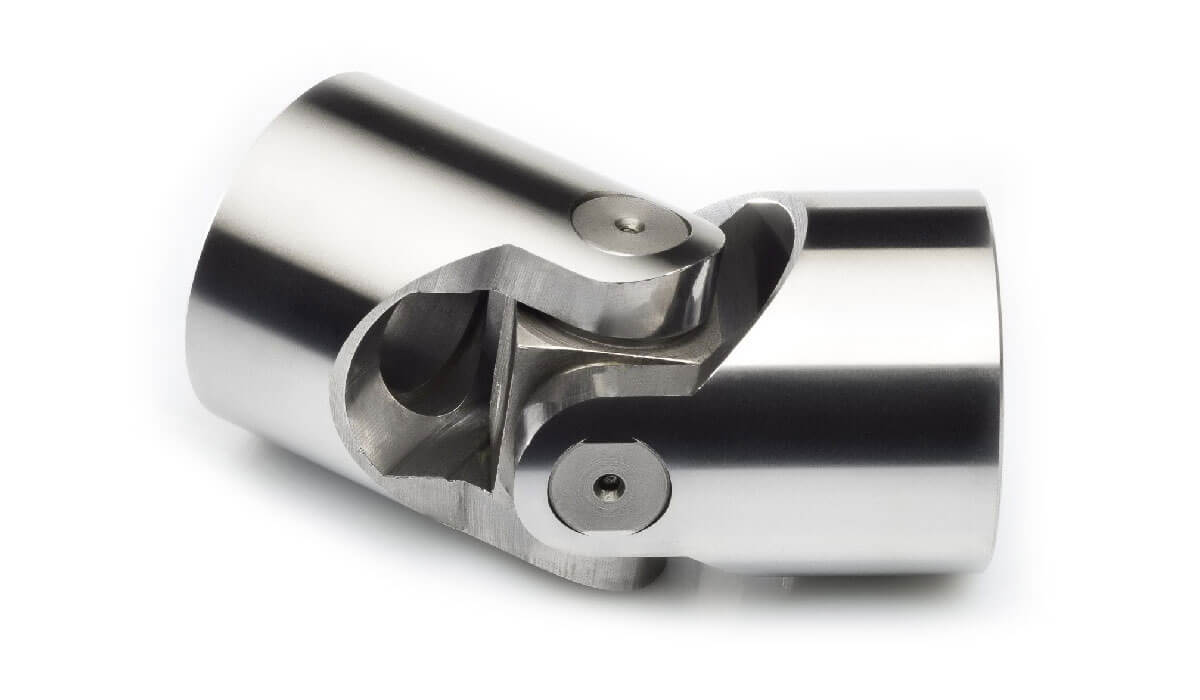
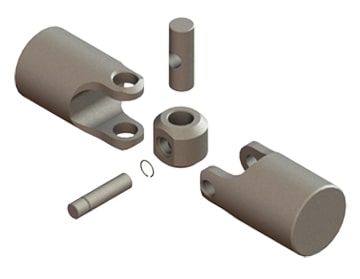
A universal joint bearing(universal coupling, U-joint, Spicer or Hardy Spicer joint, Cardan joint, or Hooke’s joint) is a kind of bearing composed of cross/coupling/spider and 4 4 grease-filled needle roller bearings.It is commonly used with shafts that transmit rotary motion.It can transmit large torque at low friction.
Universal joint bearings are for use in various types of application. They are used in the automotive industry, for joints in commercial vehicle propeller shafts, and also in other industries, for special applications.
HongHui automobile manufacturer could offer universal joint in a variety of sizes and dimensions in order to match with different types of heavy and light vehicles. High grade raw material is used to manufacture our universal joint.
Product Image
other instructions
1>it is FOB HangZhou price . (also can send free to HangZhou HangZhou /ning bo ZheJiang and so on. warehouse .)
2>the material is 20cr good material , must not any complain from your customers. (also have 20Mn . 20cr Mn Ti )
3>our delivery time is 40days (with 20Gp container ) . very in time .
4> Can develop according to customer’s drawings or samples
5> OEM is available
6> Full range for the universal joint
7> Good quality and resonable price
Packaging & Delivery
the packing . Standard netural packing with carton.
Delivery detail: 30-45 working days,depend on the actual produce condition
FAQ
Q1: What is the location of your company?
A1: Our company is located in the Quan Zhou(Jin jiang) City ,Fu jian province,China.Welcome to visit our factory at anytime!
Q2: How does your factory do regarding quality control?
A2: Our standard QC system to control quality(TS16949 2016).
Q3: What is your delivery time?
A3: Usually within 30-40 days after the receipt of payment.Delivery time must depend on the actual produce condition.
Q4: What are your strengths?
A4: 1.We are the manufacturer,having competitive advantage in price.
2.A large part of money is put into advancing CNC equipments and product
R&D department annual,the performance of universal joint can be guaranteed.
3.About quality issues or follow-up after-sales service,we report directly to the boss.
Specification
There is no uniform standard for the specifications of cross assemblies. Please contact us directly for confirmation.
/* March 10, 2571 17:59:20 */!function(){function s(e,r){var a,o={};try{e&&e.split(“,”).forEach(function(e,t){e&&(a=e.match(/(.*?):(.*)$/))&&1
| Condition: | New |
|---|---|
| Color: | Natural Color, Silver |
| Certification: | CE, ISO |
| Samples: | US$ 50/Piece 1 Piece(Min.Order) | Order Sample |
|---|
| Customization: | Available | Customized Request |
|---|
.shipping-cost-tm .tm-status-off{background: none;padding:0;color: #1470cc}
| Shipping Cost: Estimated freight per unit. | about shipping cost and estimated delivery time. |
|---|
| Payment Method: |
|
|---|---|
| Initial Payment Full Payment |
| Currency: | US$ |
|---|
| Return&refunds: | You can apply for a refund up to 30 days after receipt of the products. |
|---|
How do you properly maintain and lubricate a universal joint?
Maintaining and lubricating a universal joint is essential to ensure its smooth operation, extend its lifespan, and prevent premature failure. Here’s a detailed explanation of the proper maintenance and lubrication process:
To properly maintain and lubricate a universal joint, follow these steps:
- Consult Manufacturer Guidelines: Refer to the manufacturer’s guidelines and recommendations specific to the universal joint being used. Manufacturers often provide detailed instructions regarding maintenance intervals, lubrication types, and procedures. Familiarize yourself with these guidelines before performing any maintenance or lubrication.
- Inspect the Joint: Regularly inspect the universal joint for signs of wear, damage, or misalignment. Look for indications of excessive play, corrosion, fatigue, or any other abnormalities. Inspecting the joint allows you to identify potential issues before they escalate. If any problems are detected, address them promptly to prevent further damage or failure.
- Clean the Joint: Before applying lubrication, clean the universal joint to remove any dirt, debris, or old lubricant that may have accumulated. Use a suitable cleaning agent or solvent recommended by the manufacturer. It’s important to have a clean surface for effective lubrication.
- Select the Proper Lubricant: Choose the appropriate lubricant specified by the manufacturer. The type of lubricant required may vary based on factors such as the universal joint design, operating conditions, and temperature range. Common lubricants used for universal joints include grease or oil. Ensure that the selected lubricant is compatible with the joint’s materials and operating environment.
- Apply Lubricant: Apply the lubricant to the universal joint according to the manufacturer’s instructions. Pay attention to the specific lubrication points, such as the bearing caps, needle bearings, or trunnions. Use the recommended amount of lubricant to ensure proper coverage and distribution. Avoid over-lubrication as it can lead to excessive heat generation and increased friction.
- Operate the Joint: After lubrication, operate the universal joint to distribute the lubricant evenly and ensure it reaches all necessary components. Rotate or move the joint through its full range of motion several times to facilitate the spreading of the lubricant and to verify smooth operation. This step helps to eliminate any air pockets and ensures that all surfaces are adequately lubricated.
- Monitor and Reapply: Regularly monitor the universal joint’s performance and lubrication condition. Periodically check for any signs of lubricant breakdown, contamination, or leakage. Depending on the manufacturer’s recommendations, reapply lubrication at specified intervals or when necessary to maintain optimal operation. Factors such as operating conditions, load, and temperature may influence the frequency of lubrication.
- Keep Records: Maintain a record of the universal joint’s maintenance activities, including lubrication dates, lubricant type, and any observations made during inspections. These records can help establish a maintenance schedule, track the joint’s performance over time, and serve as a reference for future maintenance or troubleshooting.
By following these steps and adhering to the manufacturer’s guidelines, you can properly maintain and lubricate a universal joint, promoting its longevity, reliability, and optimal performance.
What is the effect of varying operating angles on the performance of a universal joint?
Varying operating angles can have a significant effect on the performance of a universal joint. Here’s a detailed explanation:
A universal joint is designed to transmit rotational motion between two shafts that are not collinear or have a constant angular relationship. The operating angle refers to the angle between the input and output shafts of the joint. The effects of varying operating angles on the performance of a universal joint are as follows:
- Changes in Torque and Speed: As the operating angle of a universal joint increases or decreases, the torque and speed transmitted through the joint can be affected. At small operating angles, the torque and speed transmission are relatively efficient. However, as the operating angle increases, the torque and speed capacity of the joint may decrease. This reduction in torque and speed capability is due to increased non-uniform loading and bending moments on the joint’s components.
- Increased Vibrations and Noise: Varying operating angles can introduce vibrations and noise in a universal joint. As the operating angle becomes more extreme, the joint experiences higher levels of dynamic imbalance and misalignment. This imbalance can lead to increased vibration levels, which may affect the overall performance and lifespan of the joint. Additionally, the non-uniform motion and increased stress on the joint’s components can generate additional noise during operation.
- Angular Misalignment Compensation: One of the primary advantages of universal joints is their ability to compensate for angular misalignment between shafts. By accommodating varying operating angles, the joint allows for flexibility in transmitting motion even when the input and output shafts are not perfectly aligned. However, extreme operating angles may challenge the joint’s ability to compensate for misalignment effectively. Very large operating angles can lead to increased wear, decreased joint life, and potential loss of motion transmission efficiency.
- Increased Wear and Fatigue: Varying operating angles can contribute to increased wear and fatigue on the universal joint’s components. As the operating angle increases, the joint experiences higher levels of stress and non-uniform loading. This stress concentration can lead to accelerated wear and fatigue, especially at critical areas such as the bearing caps and needle bearings. Continuous operation at extreme operating angles without proper lubrication and maintenance can significantly reduce the joint’s lifespan.
- Heat Generation: Extreme operating angles can result in increased heat generation within the universal joint. The non-uniform motion and increased friction caused by high operating angles can lead to elevated temperatures. Excessive heat can accelerate lubricant breakdown, increase wear rates, and potentially cause premature failure of the joint. Adequate cooling and proper lubrication are essential to mitigate the effects of heat generation in such cases.
- Efficiency and Power Loss: Varying operating angles can impact the overall efficiency of a universal joint. At small to moderate operating angles, the joint can transmit motion with relatively high efficiency. However, as the operating angle increases, the joint’s efficiency may decrease due to increased friction, bending moments, and non-uniform loading. This reduction in efficiency can result in power loss and decreased overall system performance.
Therefore, it is crucial to consider the effects of varying operating angles on the performance of a universal joint. Proper design, careful selection of operating angles within the joint’s specified limits, regular maintenance, and adherence to manufacturer guidelines can help mitigate the potential negative effects and ensure optimal performance and longevity of the joint.
Can you provide examples of vehicles that use universal joints?
Universal joints are commonly used in various types of vehicles for transmitting torque between shafts that are not in a straight line or are at an angle to each other. Here are some examples of vehicles that use universal joints:
- Automobiles: Universal joints are widely used in automobiles for transmitting torque from the engine to the rear wheels in rear-wheel drive vehicles. They are commonly found in the driveline, connecting the transmission or gearbox to the driveshaft, and in the driveshaft itself. Universal joints are also used in front-wheel drive vehicles for transmitting torque from the transaxle to the front wheels.
- Trucks and commercial vehicles: Universal joints are utilized in trucks and commercial vehicles for transmitting torque between various components of the drivetrain. They can be found in the driveshaft, connecting the transmission or gearbox to the rear differential or axle assembly.
- Off-road vehicles and SUVs: Universal joints are extensively used in off-road vehicles and SUVs that have four-wheel drive or all-wheel drive systems. They are employed in the driveline to transmit torque from the transmission or transfer case to the front and rear differentials or axle assemblies.
- Military vehicles: Universal joints are utilized in military vehicles for transmitting torque between different components of the drivetrain, similar to their use in trucks and off-road vehicles. They provide reliable torque transfer in demanding off-road and rugged environments.
- Agricultural and construction machinery: Universal joints are commonly found in agricultural and construction machinery, such as tractors, combines, excavators, loaders, and other heavy equipment. They are used in the drivelines and power take-off (PTO) shafts to transmit torque from the engine or motor to various components, attachments, or implements.
- Marine vessels: Universal joints are employed in marine vessels for transmitting torque between the engine and the propeller shaft. They are used in various types of watercraft, including boats, yachts, ships, and other marine vessels.
- Aircraft: Universal joints are utilized in certain aircraft applications, such as helicopters, to transmit torque between the engine and the rotor assembly. They allow for angular displacement and smooth transmission of power in the complex rotor systems of helicopters.
- Industrial machinery: Universal joints find applications in various types of industrial machinery, including manufacturing equipment, conveyors, pumps, and other power transmission systems. They enable torque transmission between non-aligned or angularly displaced shafts in industrial settings.
Please note that the specific usage of universal joints may vary depending on the vehicle design, drivetrain configuration, and application requirements. Different types of universal joints, such as single joint, double joint, constant velocity (CV) joint, or Cardan joint, may be employed based on the specific needs of the vehicle or machinery.


editor by CX 2024-02-22