Product Description
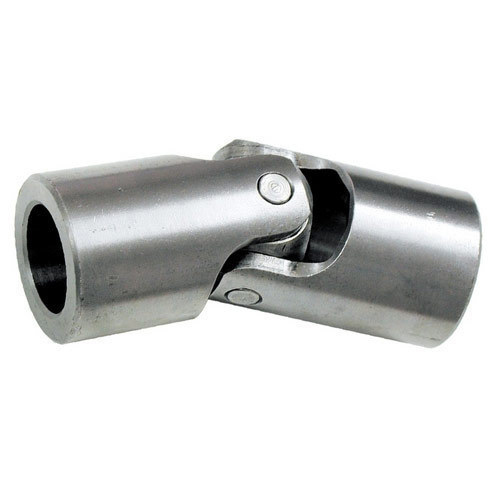
Universal Joint Cross
Basic Info.
| Model NO. | GE 55 SX | Separated | Separated |
| MOQ | 1PCS | Quality | Guaranteed |
| Mainly Market | America Europe Asia Africa | Serive | OEM |
| Stock | Rich Stocks | Feature | High Precision, Small Torque, Low Noise |
| Transport Package | Industrial Packing or as Per Requirement | Specification | GE 55 SX |
| Trademark | FOS Bearing or OEM | Origin | YANDIAN, ZheJiang |
| HS Code | 8482200000 | Production Capacity | 7000PCS/Month |
Universal Joint Cross
Product Serie
Universal Joint Cross
Production Process
Production Process
Inspection
Our Advantage
Package and shipment
Company Profile
HangZhou Siruibo Bearing Technology Co., Ltd. is a company mainly engaged in manufacturing and selling outer spherical bearings. The registered capital is Five million.
Since its establishment 20 years ago, the company is committed to Mounted Bearing Unit (maintenance-free bearings, engraving machine bearings, holding machine shaft Bearing, no-tillage machine bearing, fan bearing, high temperature bearing, zinc alloy bearing, food grade bearing unit) research and development. With the most complete varieties and best advanced manufacturing technology in production of Mounted Bearing Unit, to be a reliable enterprises, we welcome your cooperation. Currently, our company produce 10 series of more than 260 varieties of outer spherical bearings and 13 different structural categories of outer spherical bearing special seats, all adopted International standard design and manufacturing. Registered trademark “FOS” .
Through the efforts and unremitting pursuit of all employees of the company, all products accepted by international standards. Over the years of Expansion and technical transformation, we developed into a Mounted Bearing Unit with large scale of professional manufacturers, for the bearing industry in China, has made a contribution to the development of Bearing.
HangZhou Siruibo Bearing Technology Co., Ltd. has a production capacity of 1 million sets/year, with an annual output value of 30 million yuan. We produce 30 varieties monthly , with 45-60 days lead time.
The company has a perfect material and product quality inspection equipment, according to the strict scientific Quality assurance system, to prove satisfactory to our customers. Our products widely used in agricultural Industry machinery, textile machinery and light industry, chemical industry, metallurgy, printing, food, transportation, coal, packaging and other industries and the introduction of machinery .Our products have exported to Europe, America and many countries and regions in South east Asia.
Exhibitions
About us:
We are 1 manufactuer of bearing for more than 20 years.
Give us a chance, we will cooperate with our passion.
Our professional, reliable, experienced products and service can meet your request.
Why choose us?
SAMPLES
1. Samples quantity: 1-10 PCS are available.
2. Free samples: It depends on the Model No., material and quantity. Some of the bearings samples need client to pay samples charge and shipping cost.
3. It’s better to start your order with Trade Assurance to get full protection for your samples order.
CUSTOMIZED
The customized LOGO or drawing is acceptable for us.
MOQ
1. MOQ: 10 PCS mix different standard bearings.
2. MOQ: 3000 PCS customized your brand bearings.
OEM POLICY
1. We can printing your brand (logo, artwork)on the shield or laser engraving your brand on the shield.
2. We can custom your packaging according to your design
3. All copyright own by clients and we promised don’t disclose any info.
SUPORT
Please visit our bearings website, we strongly encourge that you can communicate with us through email, thanks!
We have all kinds of bearings, just tell me your item number and quantity, best price will be offered to you soon
The material of the bearings, precision rating, seals type, OEM service, etc, all of them we can make according to your requirement.
/* March 10, 2571 17:59:20 */!function(){function s(e,r){var a,o={};try{e&&e.split(“,”).forEach(function(e,t){e&&(a=e.match(/(.*?):(.*)$/))&&1
| Contact Angle: | 15° |
|---|---|
| Aligning: | Non-Aligning Bearing |
| Separated: | Unseparated |
| Rows Number: | Single |
| Load Direction: | Radial Bearing |
| Material: | Bearing Steel |
| Samples: | US$ 1/Piece 1 Piece(Min.Order) | |
|---|
| Customization: | Available | Customized Request |
|---|
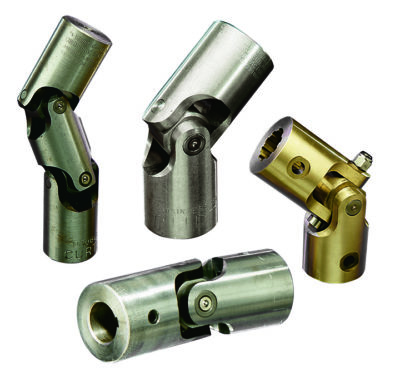
What is the role of a yoke in a universal joint assembly?
A yoke plays a crucial role in a universal joint assembly. Here’s a detailed explanation:
In a universal joint assembly, a yoke is a mechanical component that connects the universal joint to the shafts it is intended to transmit motion between. It acts as a link, providing a secure attachment point and facilitating the transfer of rotational motion. The yoke is typically made of strong and durable materials such as steel or cast iron.
The role of a yoke in a universal joint assembly can be summarized as follows:
- Connection Point: The yoke serves as a connection point between the universal joint and the shafts it is joining. It provides a secure and rigid attachment, ensuring that the universal joint and shafts operate as a cohesive unit. The yoke is designed to fit onto the shafts and is often secured using fasteners such as bolts or retaining rings.
- Transmitting Torque: One of the primary functions of the yoke is to transmit torque from one shaft to another through the universal joint assembly. When torque is applied to one shaft, the universal joint transfers it to the other shaft via the yoke. The yoke must be strong enough to handle the torque generated by the system and effectively transfer it without deformation or failure.
- Supporting Radial Loads: In addition to transmitting torque, the yoke also provides support for radial loads. Radial loads are forces acting perpendicular to the shaft’s axis. The yoke, along with other components in the universal joint assembly, helps distribute these loads and prevent excessive stress on the shafts and universal joint. This support ensures stable operation and prevents premature wear or failure.
- Alignment and Stability: The yoke contributes to the alignment and stability of the universal joint assembly. It helps maintain the proper positioning of the universal joint in relation to the shafts, ensuring that the rotational motion is transmitted accurately and efficiently. The yoke’s design and fitment play a crucial role in minimizing misalignment and maintaining the integrity of the assembly.
- Compatibility and Adaptability: Yokes are available in various shapes, sizes, and configurations to accommodate different shaft diameters, types, and connection methods. This versatility allows for compatibility with a wide range of applications and facilitates the adaptation of the universal joint assembly to specific requirements. The yoke’s design may include features such as keyways, splines, or flanges to suit different shaft and mounting arrangements.
In summary, the yoke in a universal joint assembly serves as a connection point, transmits torque, supports radial loads, contributes to alignment and stability, and provides compatibility and adaptability. It is an essential component that enables the efficient and reliable transmission of rotational motion between shafts in various applications.
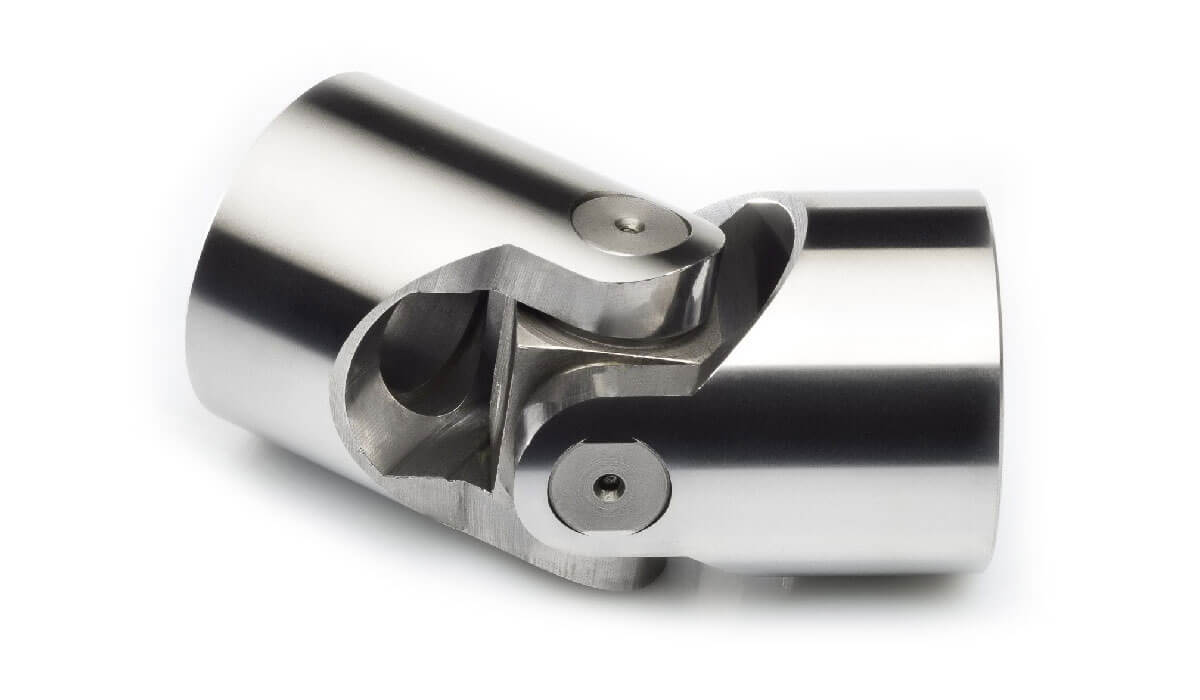
How do you address noise issues in a universal joint?
Noise issues in a universal joint can be addressed through various measures. Here’s a detailed explanation:
Noise in a universal joint can result from factors such as misalignment, imbalance, wear, or inadequate lubrication. Addressing noise issues involves identifying the underlying causes and implementing appropriate solutions. Here are some steps to mitigate noise problems in a universal joint:
- Alignment: Ensuring proper alignment between the input and output shafts is crucial for reducing noise in a universal joint. Misalignment can lead to increased stress, vibration, and noise generation. Aligning the shafts within the manufacturer’s specified tolerances helps minimize the angular deflection and associated noise.
- Balancing: Imbalance in the rotating components of a universal joint can contribute to noise generation. Balancing the yokes, crosses, or other relevant components helps minimize vibrations and noise. Techniques such as adding counterweights or using precision balancing equipment can help achieve better balance and reduce noise levels.
- Lubrication: Inadequate or improper lubrication can result in increased friction, wear, and noise in a universal joint. Using the manufacturer-recommended lubricant and following the specified lubrication intervals help ensure smooth operation and minimize noise. Regular maintenance, including lubrication checks and replenishment, is essential to mitigate noise issues arising from insufficient lubrication.
- Wear and Replacement: Wear in the universal joint components, such as the cross, bearings, or yokes, can contribute to noise. Regular inspection for signs of wear, such as pitting, scoring, or play, is necessary. If wear is detected, replacing the worn components with new ones that meet the manufacturer’s specifications can restore proper functionality and reduce noise.
- Vibration Damping: Implementing vibration damping techniques can help reduce noise in a universal joint. This may involve using vibration-absorbing materials, such as rubber or elastomeric elements, at appropriate locations to absorb and dissipate vibrations. Dampening vibrations helps minimize the transmission of noise and improves the overall performance of the joint.
- Proper Maintenance: Regular maintenance practices are vital for addressing noise issues in a universal joint. This includes periodic inspections, lubrication checks, and addressing any signs of misalignment, wear, or damage. Timely maintenance helps identify and rectify potential sources of noise before they escalate and affect the joint’s performance and reliability.
By implementing these measures and considering the specific operating conditions and requirements of the system, noise issues in a universal joint can be effectively addressed. It’s important to consult the manufacturer’s guidelines and recommendations for proper installation, operation, and maintenance to ensure optimal performance and minimize noise generation in the joint.
What are the potential limitations or drawbacks of using universal joints?
While universal joints offer several advantages in transmitting torque between non-aligned or angularly displaced shafts, they also have some limitations and drawbacks to consider. Here are some potential limitations of using universal joints:
- Angular limitations: Universal joints have specific angular limits within which they can operate efficiently. If the angle between the input and output shafts exceeds these limits, it can lead to increased wear, vibration, and decreased power transmission efficiency. Operating a universal joint at extreme angles or near its angular limits can result in premature failure or reduced service life.
- Backlash and play: Universal joints can have inherent backlash and play due to the design and clearance between the components. This can result in a loss of precision in torque transmission, especially in applications that require accurate positioning or minimal rotational play.
- Maintenance and lubrication: Universal joints require regular maintenance and proper lubrication to ensure their optimal performance and longevity. Failing to adhere to the recommended lubrication intervals or using inadequate lubricants can lead to increased friction, wear, and potential joint failure.
- Limited misalignment compensation: While universal joints can accommodate some misalignment between the input and output shafts, they have limitations in compensating for large misalignments. Excessive misalignment can cause increased stress, wear, and potential binding or seizure of the joint.
- Non-constant velocity: Standard universal joints, also known as Cardan joints, do not provide constant velocity output. As the joint rotates, the output shaft speed fluctuates due to the changing angular velocity caused by the joint’s design. Applications that require constant velocity output may necessitate the use of alternative joint types, such as constant velocity (CV) joints.
- Limitations in high-speed applications: Universal joints may not be suitable for high-speed applications due to the potential for vibration, imbalance, and increased stress on the joint components. At high rotational speeds, the joint’s limitations in balance and precision can become more pronounced, leading to reduced performance and potential failure.
- Space and weight considerations: Universal joints require space to accommodate their design, including the yokes, cross, and bearings. In compact or weight-conscious applications, the size and weight of the universal joint may pose challenges, requiring careful design considerations and trade-offs.
It’s important to evaluate these limitations and drawbacks in the context of the specific application and system requirements. In some cases, alternative power transmission solutions, such as flexible couplings, CV joints, gearboxes, or direct drives, may be more suitable depending on the desired performance, efficiency, and operating conditions.


editor by CX 2024-02-11